
Do shower filters work for hard water? Not for the hardness itself. A typical shower filter, whether it uses KDF-type copper-zinc media, vitamin C, calcium sulfite or carbon, does not soften water. The calcium and magnesium that make water hard pass straight through, so scale on glass, tiles and the shower head keeps forming. What a shower filter can do in a hard water home is reduce chlorine and catch loose particles. If hardness is the real problem, you need a water softener.
This guide explains where that line falls, how to check your own water, when a softener is the better buy and, for brands selling into hard water areas, how to describe the product without promising something it cannot deliver.
What hard water is, and how to check yours
Water hardness is the amount of dissolved calcium and magnesium in the water, according to the U.S. Geological Survey. Other dissolved metals can contribute too. Water picks these minerals up as it moves through soil and rock. Hardness is reported in milligrams per liter (mg/L) as calcium carbonate, and the USGS groups it like this:
| Hardness (mg/L as calcium carbonate) | USGS classification |
|---|---|
| 0 to 60 | Soft |
| 61 to 120 | Moderately hard |
| 121 to 180 | Hard |
| More than 180 | Very hard |
How to know if you have hard water in your shower
The signs usually show up before you test anything: white spots or a chalky film on glass doors and tiles, crust around the faucet and the shower head nozzles, and soap that leaves a film on the skin or the tub instead of rinsing away cleanly. These point to hard water, but they do not tell you how hard it is. For an actual number, use one of these:
- Hardness test strips. Dip a strip in a glass of tap water and compare the color with the chart on the pack. The reading is rough, but it is enough to place your water in one of the bands above.
- Your utility’s annual water quality report. Community water systems send customers a Consumer Confidence Report (CCR) by July 1 each year. You can look yours up through the EPA’s CCR information page or ask your water supplier for a copy. The report may list hardness if your utility tests for it. If it does not, the utility can usually tell you on request.
For brands, the same check applies on a larger scale. Hardness can differ a lot between cities in the same country, and sometimes between neighboring towns served by different suppliers. Before you put “for hard water” on a product page aimed at a market, look at the utility data for the cities where most of your customers live. A country’s reputation for hard or soft water is not a reliable guide.
What a hard water shower filter can do
A shower filter sits between the shower arm and the shower head, or before an overhead rain shower, and treats the water on its way out. Jinko’s models connect with a G1/2″ thread and need no adapter. Inside, the cartridge holds one or more filter media, and each one is chosen for a specific job:
- Calcium sulfite: used to target chlorine in the shower stream.
- Copper-zinc (KDF-type) media: also aimed at chlorine, and usually combined with other media in a composite cartridge.
- Vitamin C: commonly used to neutralize chlorine and chloramine.
- Carbon fiber or carbon block: a common media for chlorine and odor.
- PP cotton: a sediment layer that catches sand, rust and other loose particles.
Every item on that list targets chlorine or particles. None of them target calcium or magnesium. The list describes what each media is designed for. How much a given filter removes depends on the model, the water and the flow rate, and it should only be stated when a test report backs it up. For more on the media, see how KDF and vitamin C media compare and our explainer on what a KDF filter is.
Shower filter for hard water and chlorine
Many homes on city water have both problems at once. The water is hard because of the rock it passed through, and it carries chlorine or chloramine because the utility disinfects it before it enters the pipes. A shower filter for hard water and chlorine is, in practice, a chlorine filter used in a home that also has hard water. It handles the disinfectant side, and the hardness stays as it was. If both bother you, you are really looking at two products: a shower filter for the chlorine, and a softener if scale is the bigger complaint.
How a shower feels also depends on more than the filter. Water temperature, the soap and shampoo, the shower head and the hardness itself all play a part. A shower filter changes one of those factors, so it should not be sold as a treatment for skin or hair.
What it cannot do
A shower filter cannot reduce water hardness. Calcium and magnesium are dissolved in the water as ions, so there is nothing for a sediment layer or a carbon block to hold back. Removing them takes a different process. A water softener uses ion exchange: a resin swaps the calcium and magnesium for sodium or potassium, and the resin is regenerated on a regular cycle, as the EPA WaterSense program describes. A whole-house softener sits where water enters the home, so it treats hardness at every tap, including the shower. The two devices do different jobs, and plenty of homes use both.
It follows that scale does not disappear when you install a filter. Spots on the glass, crust on the faucet and buildup in the shower head nozzles all come from the minerals the filter lets through. For cleaning methods, see our guide to removing hard water stains from glass. This article stays with what the filter itself does.
Do water softener shower heads work?
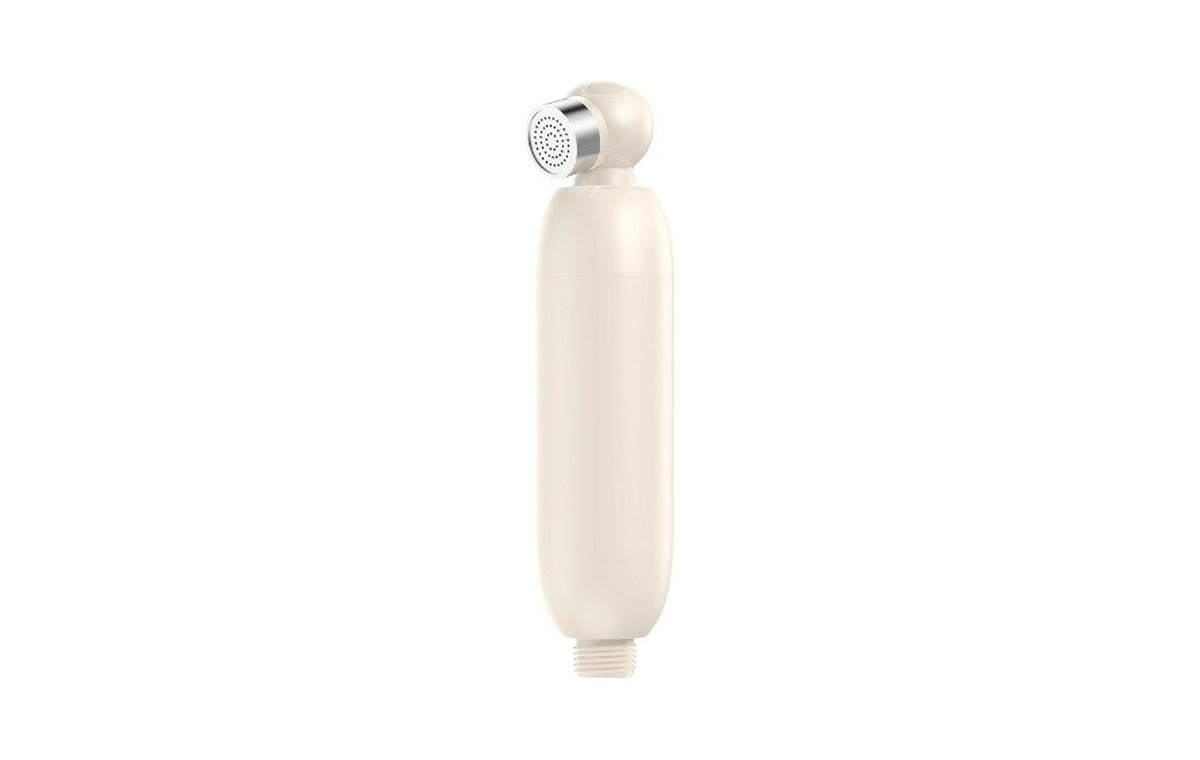
Most products sold as a water softener shower head are filter shower heads: a shower head with a cartridge of the media listed above built into the handle or the head. They can do what a shower filter does, and they do not lower hardness. The word “softener” in these names is a marketing term. A small number of water softening shower head designs do contain ion exchange resin. A cartridge that size holds very little resin compared with a whole-house softener, so ask the seller how much hardness it treats and for how long before relying on it. When you compare any hard water shower head listing, check what the cartridge contains and whether the seller can show a hardness test, rather than trusting the product name.
Do hard water shower filters work?
Yes, for the job they are designed to do. A hard water filter for shower use can target chlorine and chloramine and catch loose particles. It will not turn hard water into soft water, and it will not stop scale from forming. Bought for the first job, it is a sensible, low-cost product. Bought as a softener, it will disappoint every time.
Choosing a cartridge setup for hard water markets
Jinko recommends replacing the cartridge every 3 to 6 months. In homes with hard or cloudy water, or where several people shower every day, a cartridge may need changing sooner. Set the interval by water conditions and use rather than by the calendar alone. A noticeable drop in water flow is a good sign that a cartridge is due. Our guide on when to replace a shower filter covers the other signs.
Which water filter for hard water shower use fits your range
For a brand, choosing a shower head filter for hard water customers comes down to the cartridge and how easy it is to change. These are the current Jinko options:
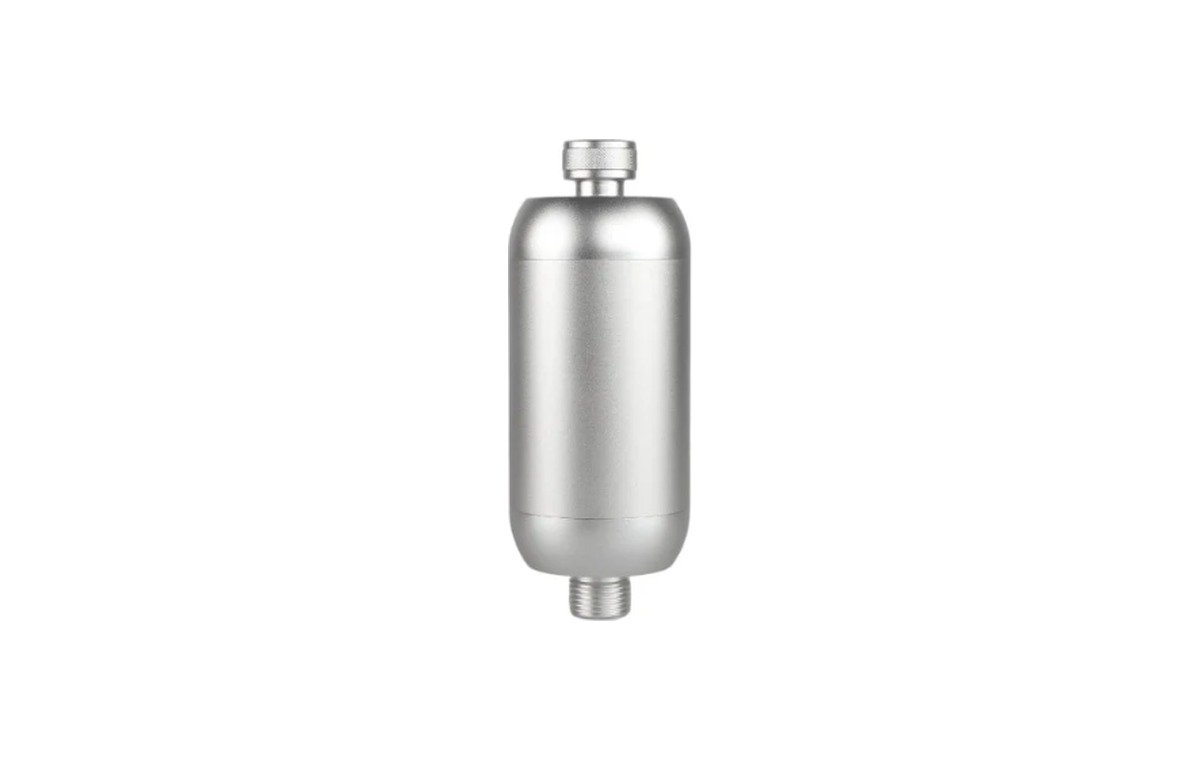
- JK-S3 (clip-in): our lead model, designed for quick cartridge changes. Cartridge options are PP cotton with calcium sulfite, carbon block, or carbon fiber.
- JK-S4, JK-S5 and JK-S6: a composite cartridge of carbon fiber, copper-zinc (KDF-type) media, calcium sulfite and vitamin C. The S4 has a diamond-cut housing, and the S6 has an aluminum alloy housing for premium lines.
- Shared refills: the S4, S5 and S6 take the same cartridge, so one refill SKU can serve three housings. The JK-S3 and the new C5 each use their own cartridge.
- JK-S5 (new model): a filter reminder ring on the housing that helps customers keep track of cartridge changes, which is useful where water conditions call for shorter intervals.
For a premium range, the JK-S6 with its aluminum alloy housing and composite cartridge (carbon fiber, copper-zinc, calcium sulfite and vitamin C) gives the product a higher-end look on the shelf. As with every model, describe the cartridge as reducing chlorine, not as treating hardness.
In hard water markets, plan the refill program as carefully as the filter itself. If customers there change cartridges more often, a refill that is easy to find and reorder, with the interval printed clearly on the box, is what brings them back to your brand.
A market example: the Gulf
In the UAE and Saudi Arabia, much of the tap water supply is desalinated and disinfected before it reaches homes, and buyers often mention a chlorine smell and scale on shower glass. A shower filter sold there under a “hard water” label can speak to the first point, and has to be honest about the second. Our overview of the shower filter market in the Middle East covers local selling points, channels and packaging.
When you need a water softener instead
- Scale builds up quickly on glass, tiles and fixtures, even after cleaning.
- Your utility report or a test strip shows hard or very hard water (above 120 mg/L as calcium carbonate in the USGS bands above).
- Soap and shampoo do not lather well and leave a film.
- You want to protect a water heater and appliances, not only the shower.
In those cases a whole-house softener deals with the hardness, and a shower filter can still be added for chlorine. If chlorine is not an issue in your water, a shower filter adds little in a hard water home.
Hard water shower filter FAQ
Do shower filters work for hard water?
They do not soften it. They reduce chlorine and catch particles. Hardness needs a water softener.
Will a shower filter stop limescale on my shower glass?
No. Scale comes from calcium and magnesium, which pass through a shower filter.
Is a “water softener shower head” a real softener?
Usually not. Most are filter shower heads with chlorine media. A few contain a small amount of ion exchange resin, which has limited capacity.
Can a shower filter help hair in hard water areas?
Only through chlorine reduction. It does not remove the minerals. See do shower filters help hair.
How to word hard water claims
Brands selling into hard water areas face the same temptation as many retail listings: put “for hard water” in the title and let customers assume the rest. The table below keeps the copy accurate. Shoppers can read it the other way round, as a guide to which claims on a listing deserve a second look.
| Can say | Don’t say | Why |
|---|---|---|
| Uses filter media designed to reduce chlorine | Softens hard water | A shower cartridge does not lower calcium or magnesium. |
| Designed for showers in homes with hard water | Removes limescale or stops scale on tiles | Describing where it is used is fine. Promising an effect on scale is not. |
| Works alongside a whole-house softener | Replaces your water softener | The two devices do different jobs. |
| Vitamin C media is commonly used to neutralize chlorine and chloramine | Removes 99% of chlorine or heavy metals | A percentage needs a test report for that exact model. |
| Replace every 3 to 6 months, sooner if the flow drops | Lasts a full year in hard water | The interval is a recommendation and depends on the water. |
| Connects with a G1/2″ thread, no adapter needed | Cures dry skin or stops hair loss | Skin and hair results need evidence. Describe the product instead. |
| CE and RoHS documentation available | NSF certified or EPA approved | Only print marks and approvals you can document for that model. |
One rule covers the gray areas. If you want to state a result, such as a reduction figure or an effect on scale, get a test report for that exact model and cartridge first. Without one, describe the media and the use case and leave it there. On documents, Jinko can provide CE and RoHS documentation for its shower filters.
Planning a shower filter line for a hard water market? Tell us the target market, your sales channels, the quantity and whether you need customization, and we will suggest a cartridge setup that suits the local water and the replacement interval you plan to print. You can browse the models in our OEM shower filter range, read our guide to bathtub water filters if your customers also ask about baths, and send us your project details when you are ready.