
A KDF shower filter is a shower filter that contains KDF, a granular copper-zinc media, in its cartridge. As water flows over the granules, a redox reaction converts free chlorine into harmless chloride. The grade used in shower filters is usually KDF-55, which its maker designs for chlorine and water-soluble heavy metals. KDF works in hot water, which is why it is common in shower filters. It does not soften hard water, and it should not be relied on for chloramine.
Below: what KDF is, how it works, the difference between KDF-55 and KDF-85, what a KDF shower filter can and cannot remove, and what to check in a KDF cartridge.
What is KDF?
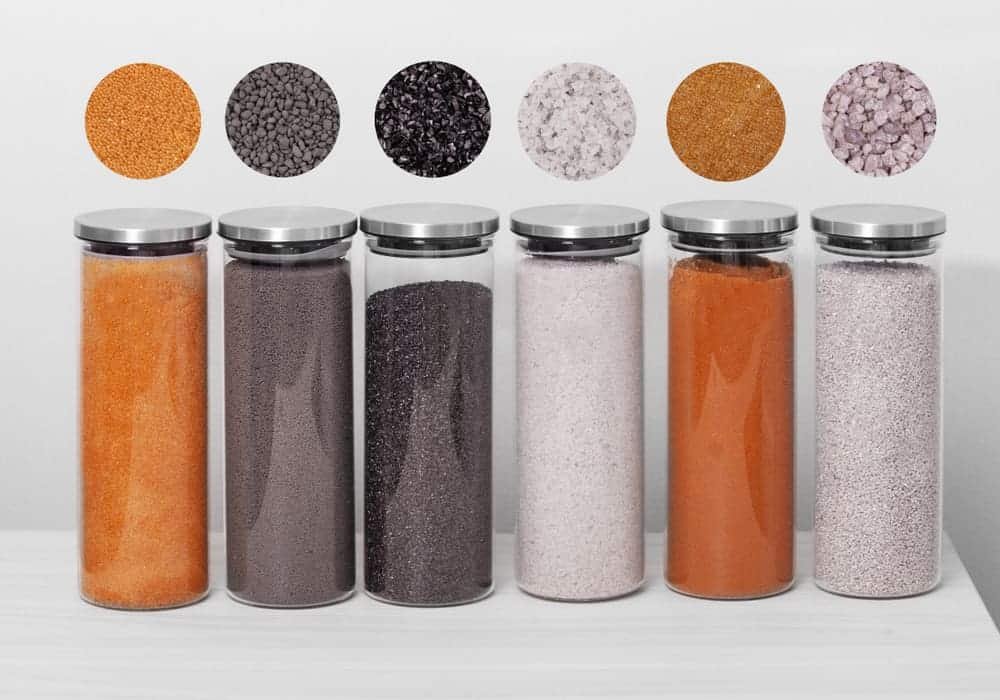
KDF stands for Kinetic Degradation Fluxion. KDF® Process Media is a patented line of high-purity copper-zinc granules made by Kymera International, which describes it as working through redox (reduction and oxidation) reactions. Because the name is a trademark, many filter makers call similar copper-zinc granules “KDF-type” media.
A KDF filter, or KDF water filter, is any filter with a bed of this media inside: under-sink units, whole-house tanks and shower filters all use it. In this guide we focus on the shower.
How KDF works in a shower filter
Copper and zinc in contact with water form a small electrochemical cell. As water passes through the granules, electrons move between the metals and substances dissolved in the water. Two things happen:
- Free chlorine becomes chloride. Kymera states that free chlorine is converted to water-soluble chloride, which passes harmlessly through with the water.
- Some dissolved metals are held back. Certain water-soluble metal ions react and stay on the surface of the granules.
This is a different mechanism from activated carbon, which traps substances in its pores (adsorption). It also explains the main reason KDF is used in showers: Kymera says its media can operate effectively in high-temperature environments, where carbon performs less well. Most carbon filters for drinking water are designed for cold water.
KDF-55 vs KDF-85
The number after KDF matters. The two grades you will see most often are designed for different water problems, according to Kymera’s product page:
| KDF-55 | KDF-85 | |
|---|---|---|
| Designed for | Chlorine and water-soluble heavy metals | Iron and hydrogen sulfide (rotten-egg smell) |
| Typical water | City (municipal) water with chlorine | Well water and supplies with iron or sulfur |
| Typical products | Shower filters, under-sink and carbon-bed filters | Larger tank and point-of-entry systems |
| NSF certification of the raw media (per Kymera) | NSF/ANSI 42 | NSF/ANSI/CAN 61 |
| In shower filters | The usual grade | Rare |
The two are not interchangeable. For a chlorine problem in city water, KDF-55 is the right grade. A KDF-85 shower filter only makes sense where iron or hydrogen sulfide is the real issue.
There are also mesh sizes: KDF-F (fine) is made for carbon blocks and other matrix filters, and KDF-C (coarse) for uses that need lower pressure drop.
Note that the NSF certifications above apply to the raw media, not to a finished shower filter. A shower filter certified for chlorine reduction is listed under NSF/ANSI 177, which is a separate test of the finished product.
What a KDF shower filter removes, and what it does not
| Substance | KDF-55 in a shower filter |
|---|---|
| Free chlorine | Yes. This is its main job: converted to chloride. |
| Water-soluble heavy metals (such as lead, mercury) | Partly, according to the media maker. How much a finished cartridge removes depends on the amount of media and the flow. |
| Bacteria and algae | Inside the media only. KDF is bacteriostatic: it slows growth in the filter bed. It does not disinfect the water. |
| Chloramine | Not reliably. Kymera’s pages do not describe KDF performance on chloramine. Quality Water Lab points to catalytic carbon instead, and vitamin C is also used in shower filters. See how vitamin C handles chlorine and chloramine. |
| Hardness (calcium, magnesium) | No. KDF does not soften water. Kymera mentions scale control, but that is not the same as removing hardness. See what a shower filter can do in hard water. |
| Fluoride, dissolved salts | No. These need reverse osmosis or another treatment for dissolved ions. |
| VOCs, pesticides | No. These are mainly a job for activated carbon. |
Kymera publishes high removal figures for its media, such as 99% chlorine removal. Those figures describe the raw media under the maker’s own test conditions. They do not carry over to a shower cartridge, where water passes through a small amount of media in a few seconds. A brand should not print them on a box without test data for its own product.
KDF-55 and calcium sulfite, and other combinations
Most KDF shower filters are multi-stage: KDF sits in one cartridge with other media, and each covers a different part of the job.
| Media | How it works | Why it is paired with KDF |
|---|---|---|
| Calcium sulfite | Reacts with free chlorine | A second chlorine-reducing layer. “KDF-55 and calcium sulfite” is one of the most common shower filter pairings. |
| Activated carbon or carbon fiber | Adsorption in its pores | Covers odors and organic compounds that KDF does not |
| Vitamin C | Neutralizes chlorine | Added when chloramine is a concern. See what a vitamin C shower filter is. |
| PP cotton or sediment layer | Mechanical straining | Catches rust and sand before the other media |
“Dual KDF” is used loosely on listings. Sometimes it means two KDF stages, sometimes KDF plus another media. The layer list tells you more than the name.
If you are choosing between a KDF-led and a vitamin C-led cartridge for a product range, our KDF vs vitamin C shower filter guide compares them by sales channel and buyer.
How long does a KDF shower filter last?
The copper-zinc media is used up over time, and a shower cartridge holds only a small amount of it. Long media-life figures, such as the 6 to 10 years Kymera quotes, refer to large treatment systems, not to a shower cartridge. Most shower filter makers recommend changing the cartridge every few months; how often depends on cartridge size, water use and chlorine level. Our shower filter replacement guide covers the signs it is time to change one.
What to check in a KDF shower filter cartridge
- Grade: KDF-55 (or a stated equivalent) for chlorine. “KDF 55” on a listing is sometimes used as a general label for any copper-zinc media.
- Amount: grams of media per cartridge. A thin layer behind several decorative stages does little.
- Position: where the KDF sits in the flow path.
- Finished-product data: test results for the cartridge itself, not the raw media.
- Change interval for the water in your market.
KDF shower filter FAQ
What is KDF-55?
KDF-55 is a grade of copper-zinc filter media designed to reduce chlorine and water-soluble heavy metals. It is the grade most shower filters use.
Is KDF-55 the same as KDF-85?
No. KDF-55 is for chlorine and heavy metals in city water. KDF-85 is for iron and hydrogen sulfide, mostly in well-water systems. They use the same copper-zinc principle but are not interchangeable.
Is KDF safe?
Kymera states that all KDF media meet EPA and FDA standards for potable water and contain no chemical additives. The raw KDF-55 media is certified to NSF/ANSI 42 and KDF-85 to NSF/ANSI/CAN 61. Ask your supplier for the media documents if you need them for a market.
Does KDF work in hot water?
Yes. The media maker says KDF works in high-temperature environments, which is why it is used in shower filters. Check the operating range of the finished filter as well, since the housing and other media also set limits.
Does a KDF shower filter remove chloramine or soften water?
It should not be relied on for chloramine, and it does not soften water. If chloramine or hardness is common where you live or sell, choose the cartridge and the claims with that in mind.
KDF-type cartridges from Jinko
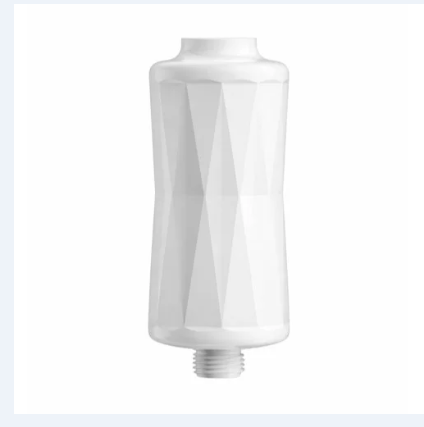
Jinko’s JK-S4, JK-S5 and JK-S6 shower filters use one composite cartridge: carbon fiber, copper-zinc (KDF-type) media, calcium sulfite and vitamin C. The cartridge is replaceable, shared across the three models, and should be changed every 3 to 6 months. The JK-S3 uses a separate cartridge without KDF. For brands, logo, packaging and manuals are standard; a custom media mix is reviewed for each project. See the models on our shower filter manufacturer page, or send us your target market and quantity.