
Choosing a shower filter supplier is less about finding the lowest unit price and more about reducing product risk before your brand puts its name on the box. A good supplier should help you match the right filter structure, media, housing material, packaging, replacement cartridge plan, and quality control process to your target market.
For brand owners, wholesalers, and private label buyers, the best shower filter supplier is one that can answer practical sourcing questions: What water problems does the product address? What test documents can support the claims? Will the filter maintain acceptable flow? Can the factory keep replacement cartridges available after the first shipment? Can the packaging, logo, color, and instructions match your channel?
If those answers are unclear, a beautiful sample can still become a costly product launch.
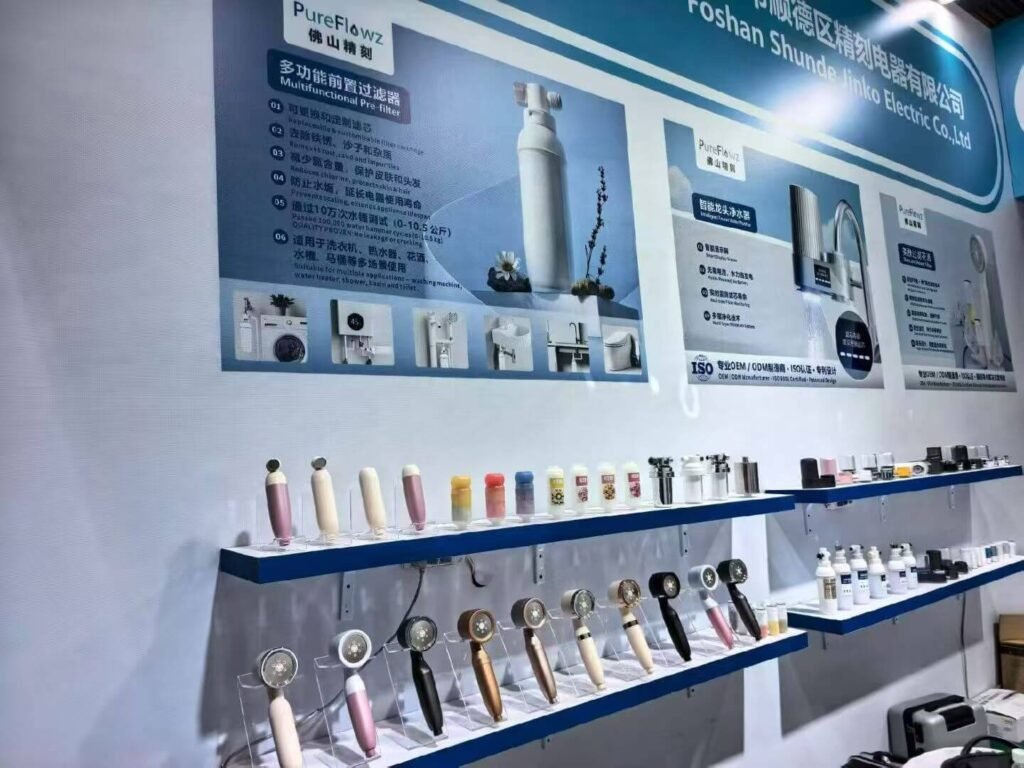
What is a shower filter supplier?
A shower filter supplier provides shower filtration products for retail brands, distributors, importers, e-commerce sellers, bathroom retailers, beauty brands, salons, and wellness channels. Depending on the project, the supplier may offer standard wholesale models, OEM customization, private label packaging, or full ODM product development.
Typical shower filter products include inline shower filters, pre-shower filters, handheld filtered showerheads, vitamin C shower filters, KDF shower filters, replacement cartridges, and related water filtration products. For example, Jinko’s shower filter manufacturer page shows pre-shower and inline shower filter options for household and commercial water protection.
Treat the supplier as a product development partner, not only as a cheap hardware source.
Start with your product position
Before you ask for a quote, define where your shower filter will be sold and why customers will buy it. A product for a beauty and skincare brand may need a different design from a plumbing wholesale product. A spa, salon, or hotel channel may care more about appearance and user experience. A distributor may care more about carton strength, price tiers, spare parts, and fast repeat supply.
Useful positioning questions include:
- Is the product mainly for skincare, hair care, chlorine reduction, sediment control, odor reduction, or appliance protection?
- Will it be sold online, through retail stores, through distributors, or as part of a larger bathroom product line?
- Does the buyer expect an inline filter, a handheld filtered showerhead, or a pre-shower filter?
- Does your brand need premium packaging, color matching, logo printing, or a custom cartridge formula?
- Will you sell replacement cartridges as recurring revenue?
If your supplier cannot discuss these points, they may be able to sell a product but not support a brand launch.
The safest sourcing work starts with the market promise. Product structure, media, packaging, and price should follow it.
Check product range before asking for price
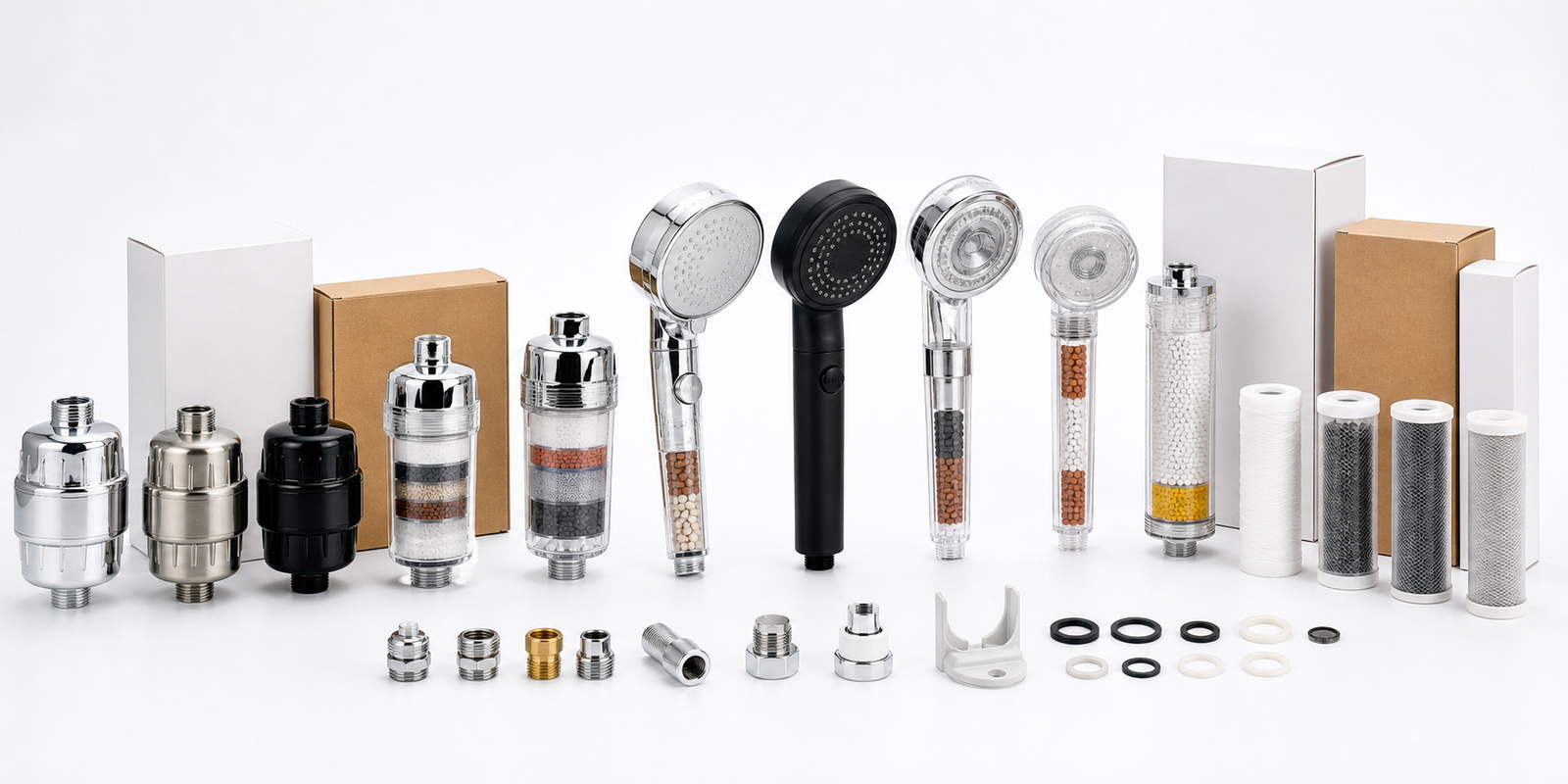
Price comparisons are only useful when the product type is clear. Inline filters, handheld filters, and pre-shower filters solve similar problems but differ in appearance, installation, user experience, packaging, and replacement cartridge design.
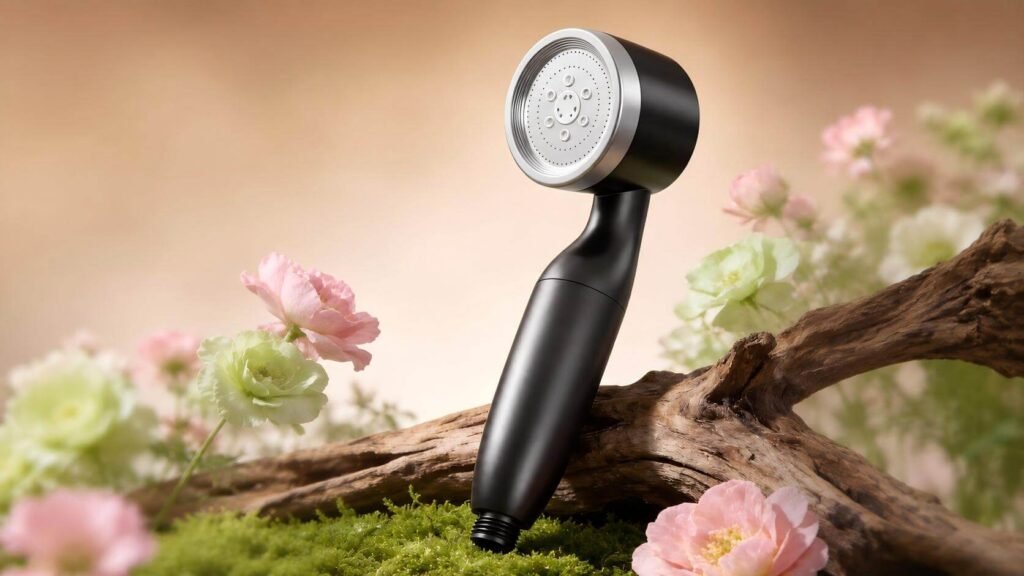
Inline shower filters connect between the wall pipe and the showerhead. They are useful when customers want to keep their existing showerhead. Handheld filtered showerheads replace the showerhead and can offer stronger product differentiation through spray settings, handle design, color options, and gift packaging. Pre-shower filters may work for bathrooms, basins, water heaters, washing machines, or other household water points depending on connector design and media choice.
Jinko’s hand held shower filter range shows several skincare and vitamin C shower filter styles. If your brand also plans to expand into sink or kitchen water products, review whether the same supplier can support faucet water filter products as a second product line.
A supplier with more than one compatible product format can make future catalog expansion easier.
Match filter media to local water quality
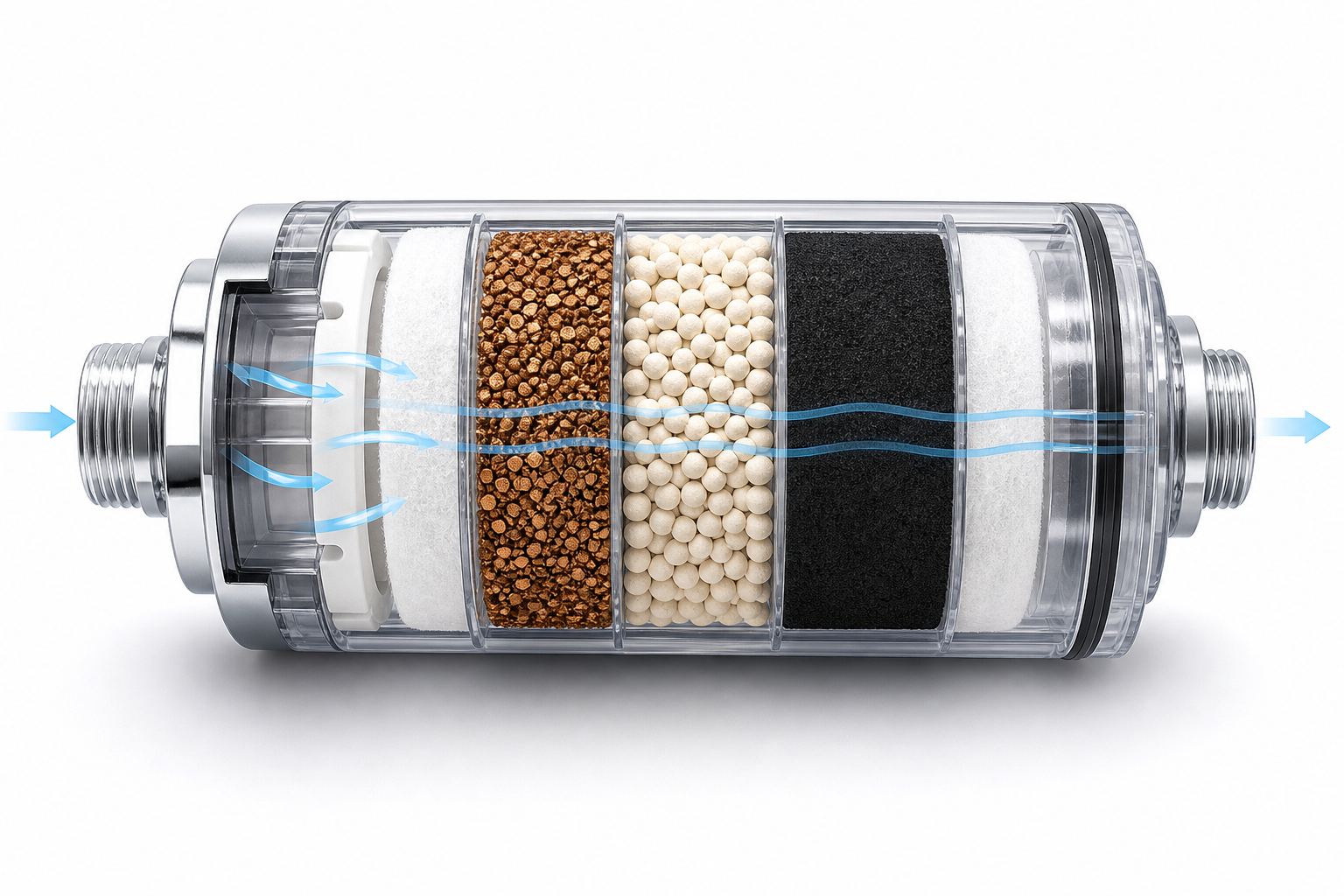
A shower filter is only credible when its media matches the water problem in the target market. Many weak products use generic “multi-stage” language without explaining which media does the work. Buyers should ask for the actual media combination, intended contaminants, hot water performance, and replacement capacity.
| Filter media | Common purpose | Buyer question to ask |
|---|---|---|
| KDF-55 | Often used for chlorine and certain metals in municipal water | Is the media genuine KDF or a generic copper-zinc blend? |
| Calcium sulfite | Often used for rapid chlorine reduction in shower conditions | What test data supports chlorine reduction at the target flow rate? |
| Activated carbon | Often used for odor, taste related compounds, and some organic compounds | Is it block carbon, granular carbon, or another form? |
| PP cotton | Sediment, rust, and larger particles | What micron rating is used, and will it reduce flow too much? |
| Vitamin C | Chlorine neutralization and beauty positioning | How is the vitamin C protected from moisture before use? |
| Carbon fiber or composite media | Used in some premium cartridge structures | What performance claim is supported by test documents? |
The supplier should be able to recommend a formula based on the buyer’s market. For example, a municipal water market with chlorine complaints may require a different cartridge from a market where sediment, rust, or odor is the main issue.
Do not buy a cartridge because it has many layers. Buy it because each layer has a job and the supplier can explain that job.
Build the product around customer buying reasons
Most consumers do not buy a shower filter because they enjoy reading water chemistry. They buy because they notice dry skin, rough hair, chlorine smell, weak confidence in tap water, or visible sediment. A good supplier can connect technical choices to these buying reasons without making unsupported medical claims.
Use the supplier’s existing market knowledge. Jinko’s article on shower filter features customers care about is useful for thinking through product features such as media, flow rate, design, maintenance, and validation. For your own brand, turn those feature ideas into a cleaner product brief:
- Main customer problem
- Filter media and cartridge structure
- Housing material and finish
- Installation method
- Replacement interval claim, backed by test data or gallon capacity
- Packaging style and instruction clarity
- Allowed claims and forbidden claims for your market
Strong suppliers help you translate technical specifications into a product customers can understand.
Ask for proof, not only product photos
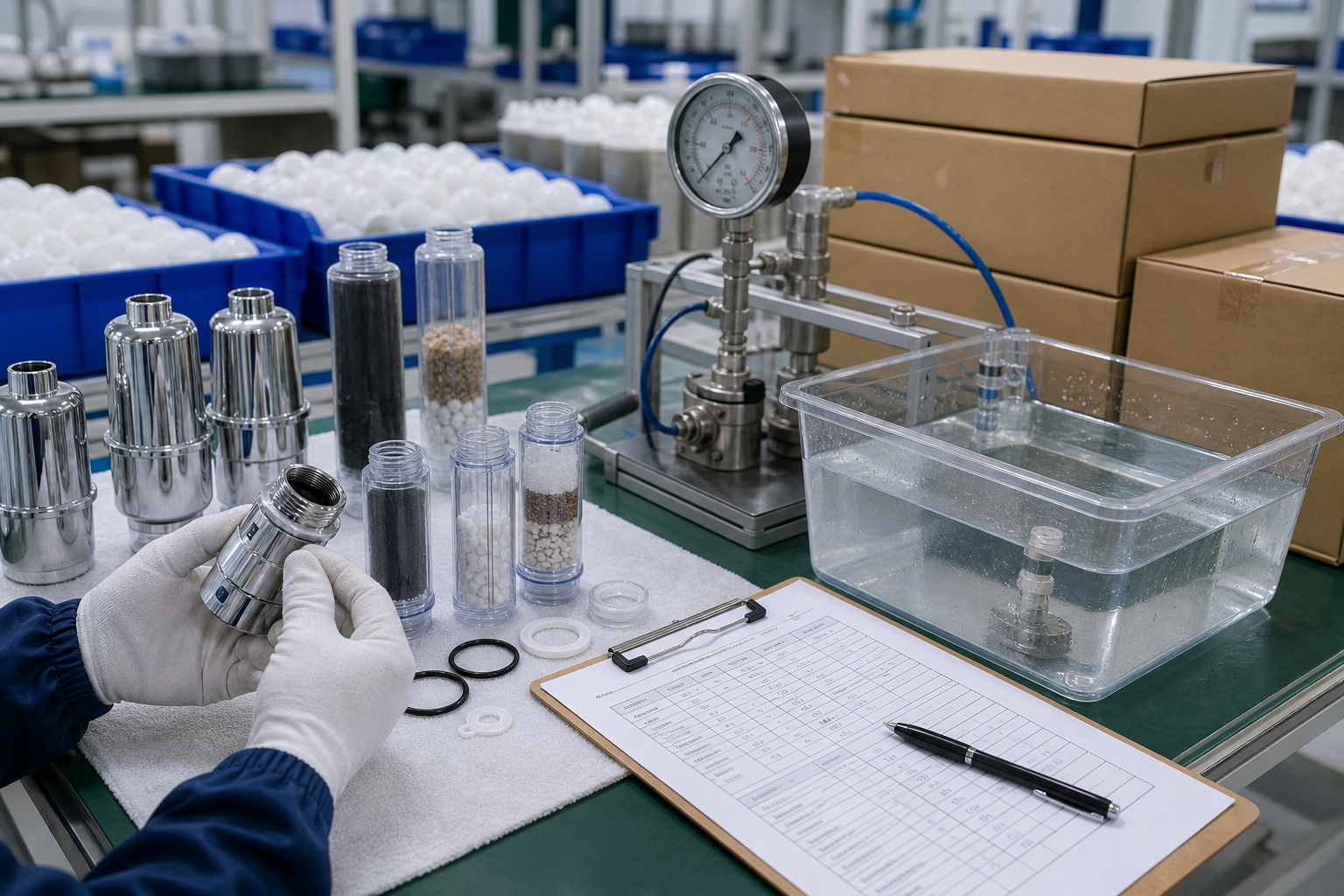
Product photos can show appearance. They do not prove filtration performance, pressure resistance, material safety, leakage control, or cartridge life. Before committing to mass production, ask the supplier for documents and samples that match the exact product you plan to buy.
Your supplier qualification list should include:
- Current test reports for the exact cartridge or media combination
- Material information for housing, seals, connectors, and media
- Pressure and leakage test process
- Flow rate data before and after filtration
- Replacement cartridge life basis, such as gallons, test conditions, or usage assumptions
- Packaging drop test or carton strength details for export shipping
- Inspection standard for appearance, thread fit, sealing, spray performance, and accessories
- Certificate copies where relevant to your market
If a supplier shows certificate images on the website, still ask for current copies and confirm whether they apply to the exact model you will purchase. Do not reuse a general factory certificate as proof for a specific filtration claim.
A reliable shower filter supplier can provide documents that match the product, not just general marketing files.
Evaluate OEM, ODM, and private label capability
Private label shower filter projects often fail because buyers focus on logo printing first. Branding matters, but the supplier also needs control over structure, packaging, cartridge fit, quality inspection, and repeat supply.
Ask about these OEM and ODM capabilities:
- Logo methods: laser engraving, silk printing, hot stamping, label, or molded logo
- Packaging options: retail box, mailer box, gift box, instruction sheet, barcode, carton mark
- Color and finish options: chrome, matte black, brushed finish, plated finish, custom plastic color
- Cartridge customization: media formula, cartridge size, replacement reminder, refill packaging
- Product development: mold support, structure design, sample iteration, tooling ownership
- Compliance support: test documents, material declarations, warning labels, market specific wording
- Confidentiality: whether the supplier can protect private label designs and packaging files
Jinko’s site describes packaging, logo, color, ODM development, and filter formulation services. Review Jinko’s OEM and ODM capability and confirm the current details with the sales team before finalizing the purchase order.
OEM is not only a logo. The supplier has to protect the product experience from sample to repeat order.
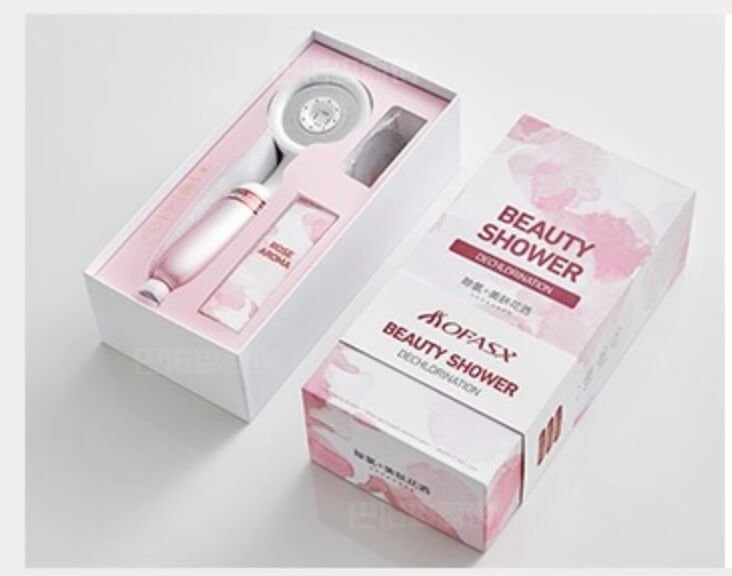
Wholesale vs OEM vs ODM vs private label
| Cooperation model | Best for | What to verify |
|---|---|---|
| Wholesale | Buyers who need standard models quickly | Stock availability, carton quantity, price tiers, spare cartridges |
| OEM | Brands that need logo, color, packaging, or minor product changes | MOQ, logo method, artwork rules, sample approval, lead time |
| ODM | Brands that need a differentiated structure or new product concept | R&D process, tooling cost, IP ownership, testing plan, development timeline |
| Private label | E-commerce, retail, beauty, wellness, and distributor brands | Packaging quality, claim control, instruction clarity, barcode/carton marks, refill strategy |
For many brands, the best first step is not a full custom mold. A standard or semi-custom model can test demand faster. After the first sales cycle, the buyer can decide whether a custom cartridge, finish, structure, or packaging system is worth the investment.
Choose the cooperation model that matches your launch stage. Too much customization too early can slow down the first order.
Review MOQ, sampling, lead time, and refill economics
Every quote should include more than unit price. Shower filters are repeat-use products, so the replacement cartridge plan matters as much as the first device order.
Ask the supplier to confirm:
- MOQ for standard products
- MOQ for custom color, logo, packaging, and cartridge formula
- Sample cost and sample lead time
- Mass production lead time after sample approval
- Tooling cost if a custom mold is required
- Replacement cartridge MOQ
- Whether cartridge packaging can be private labeled
- Suggested replacement interval and the basis for that interval
- Spare parts availability, such as washers, connectors, gaskets, and instruction sheets
Avoid using a fixed “3 month” or “6 month” cartridge claim unless the supplier can explain the water conditions, flow rate, household usage assumptions, and test basis. Replacement cycle content can also link naturally to a future education page or an existing guide, such as Jinko’s shower filter replacement guide.
The first order opens the account. Replacement cartridges keep the product alive.
Inspect communication and after-sales support
Supplier communication is part of product quality. A good sales team should ask about your market, product channel, water quality concern, packaging requirement, order quantity, target price, and compliance needs before pushing a model.
Pay attention to how the supplier handles:
- Technical questions about media and flow
- Requests for test documents
- Artwork and packaging revisions
- Sample feedback
- Defect handling
- Replacement cartridge planning
- Export packing details
- Delivery schedule updates
If you are ready to compare models or request samples, prepare your brief before you contact the Jinko team. Include your target market, preferred product type, expected order quantity, packaging requirement, logo requirement, and any known water quality concerns.
Fast replies are helpful. Accurate replies are more important.
Supplier audit checklist for shower filter buyers
Use this checklist before placing an OEM, wholesale, or private label order:
| Area | Questions to ask |
|---|---|
| Product fit | Which model fits my channel and customer promise? |
| Filter media | What media is inside, and what problem does each layer solve? |
| Test support | Which test reports apply to this exact model or cartridge? |
| Flow and pressure | What is the flow rate before and after filtration? How is leakage tested? |
| Materials | What are the housing, gasket, connector, and cartridge materials? |
| Customization | What can be customized without new tooling? What requires a mold? |
| Packaging | Can the supplier support retail packaging, instructions, barcode, carton marks, and refill packaging? |
| MOQ and lead time | What are the MOQs and lead times for samples, standard orders, custom packaging, and refills? |
| Replacement plan | How will customers buy replacement cartridges, and how long will the supplier keep them available? |
| Quality control | What inspection standard is used before shipment? |
| Claims | Which claims are supported, and which should be avoided? |
A good supplier makes this checklist easy to answer. A risky supplier gives vague replies.
Why Jinko may fit shower filter sourcing projects
Jinko is a relevant supplier candidate for buyers who need shower filter manufacturing, OEM customization, private label packaging, and cartridge options from a China based water filtration factory. The website shows product pages for pre-shower filters, inline shower filters, handheld shower filters, faucet filters, and other water filtration categories. It also presents customization options for logo, packaging, color, ODM development, and filter formula selection.
Before using Jinko for a live brand launch, confirm the latest details with the team:
- Current company experience statement
- Current certificates and test reports
- Exact model specifications
- MOQ by customization type
- Sample and production lead time
- Cartridge capacity and replacement interval basis
- Packaging artwork requirements
- Export carton and inspection standard
This confirmation step protects both sides. The buyer gets a clearer purchase order, and the supplier gets fewer revisions after sampling.
Final advice
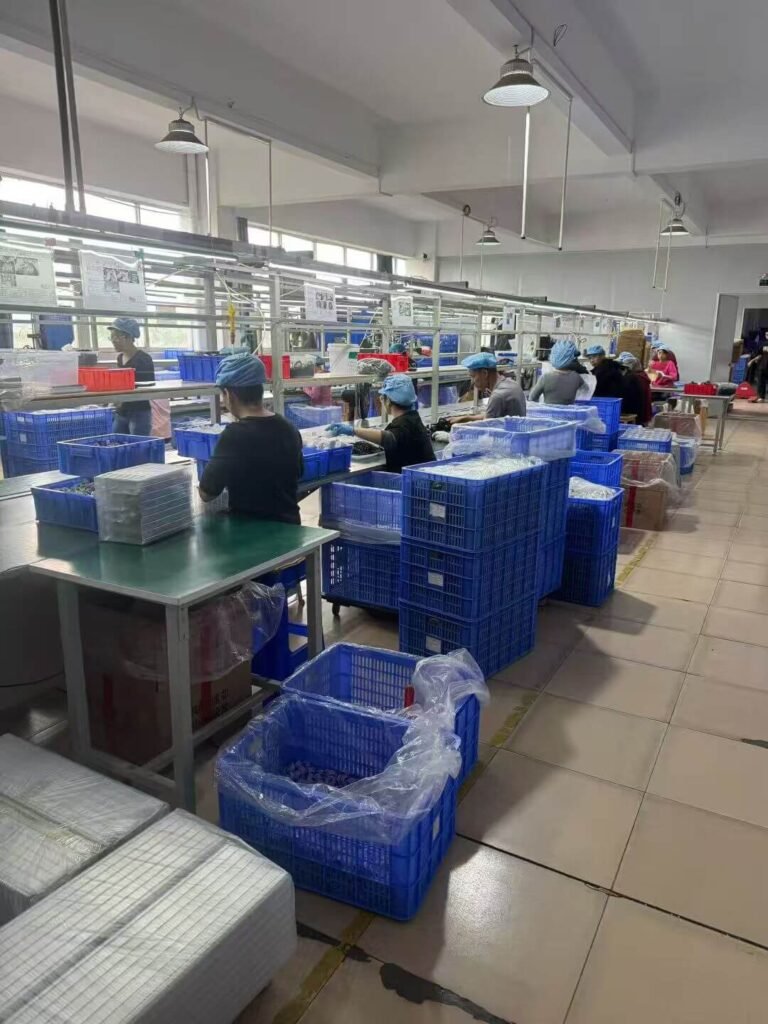
Choose a shower filter supplier that can support the whole product journey: model selection, media matching, proof documents, sampling, packaging, quality control, shipment, and replacement cartridges. The cheapest offer is not always cheaper after leaks, weak flow, vague claims, poor packaging, or unavailable refills.
For OEM, wholesale, or private label sourcing, send a clear brief first. Ask for proof before mass production. Then choose the supplier that gives practical answers, not just attractive catalog photos.