
Buying a private label shower filter is easy until the sample lands in front of you. At that point, you are no longer picking a product from a catalogue. You are deciding whether you want your brand on the box.
You may be tempted to say yes because the finish looks good and the carton feels ready. Slow down. The problems that cost you money tend to show up later: the thread does not suit your market, the shower feels weak once the cartridge is installed, the claim on the box is too broad, or no one can tell the customer which refill to buy.
This is the point where you should get specific with your supplier. If you are still choosing a factory, start with Jinko’s guide to choosing a shower filter supplier. If you already have a sample, use the checks below to decide whether it deserves your approval.
Your sample is not approved just because it looks good
Before you sign off, you should be able to answer a few plain questions without digging through old messages. What problem will your customer expect this filter to help with? What is inside the cartridge? Which shower connection will it fit? What claim can you put on the box? Which refill will your customer buy next?
You will save yourself a lot of confusion if you tie those answers to one SKU. Use the same code on your sample, cartridge sheet, drawing, artwork, refill carton, and purchase order. When those codes drift apart, your factory, your packaging team, and your customer service team end up talking about different versions of the same product.
Start with the promise you want to make to your customer
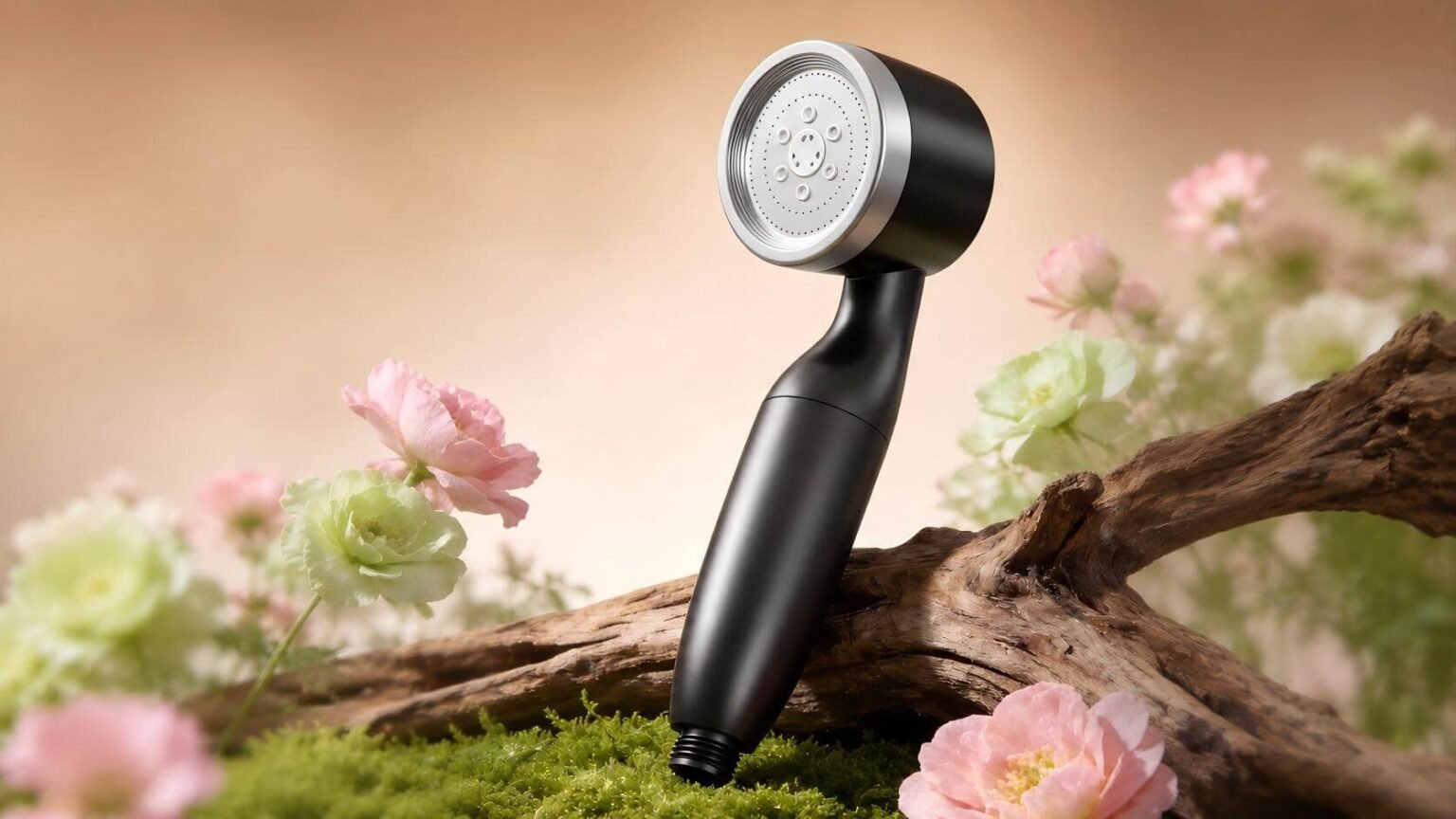
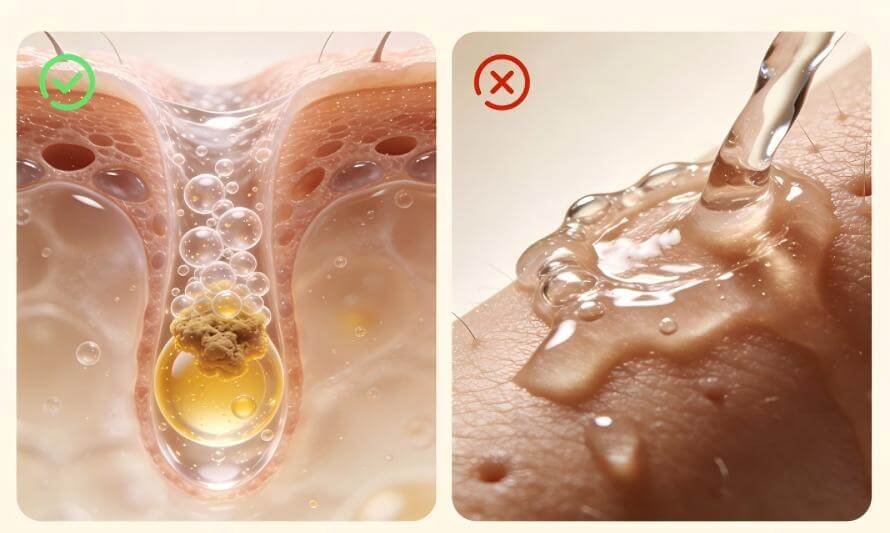
Do not ask your supplier for the most complicated cartridge. Start with the reason your customer will buy it. You may be selling into an area where people complain about chlorine odour. Your distributor may be more concerned about thread fit and refill availability. If you sell through a beauty or gift channel, your customer may notice the finish and carton before anything else.
That choice changes the conversation with your supplier. KDF, vitamin C, calcium sulfite, activated carbon, sediment layers, and mineral media can all appear in a private label shower filter. You should know why each material is there before you put a benefit on the packaging. A compact shower filter cannot do the job of a whole-house system, and your claim should not pretend otherwise.
You can use Jinko’s shower filter range and customization options to narrow down your format, cartridge direction, finish, packaging, and refill plan.
Ask what is actually inside the cartridge
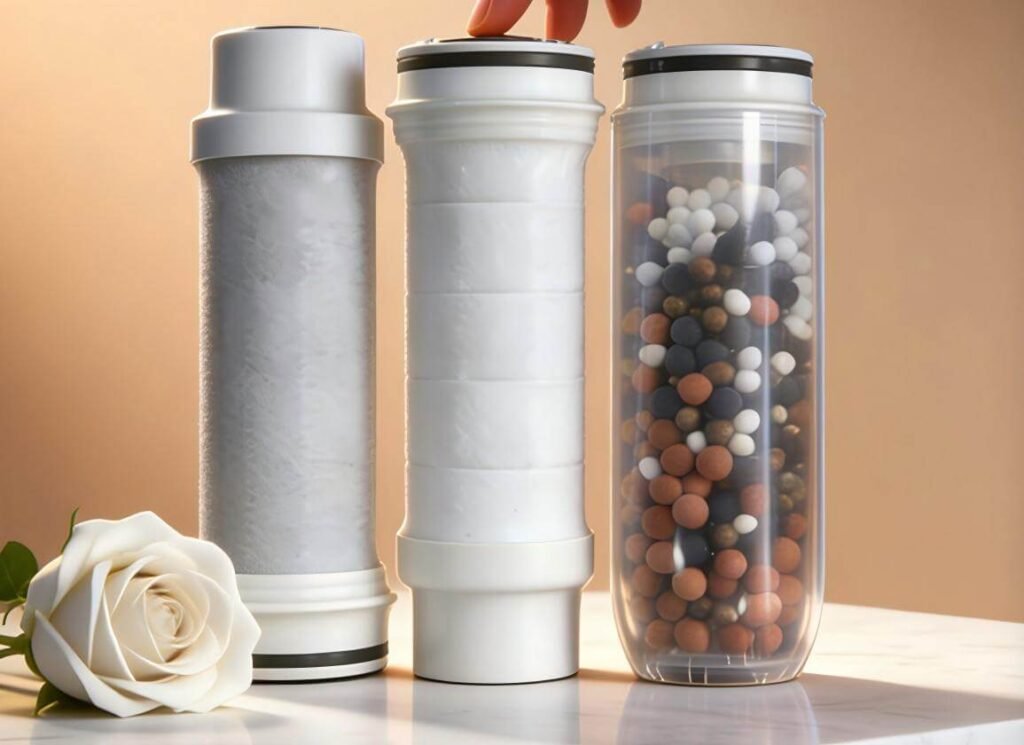
A long media list can make your listing look impressive. It does not tell you whether the cartridge in your sample matches the story on your box. Ask your supplier what each active material does, why it is included, and whether the sample, label, and supporting documents all describe the same formula.
| What is in your cartridge | What you should ask for |
|---|---|
| KDF or another reactive medium | Ask for the media grade, loading amount, and the wording you can support for your finished SKU. |
| Vitamin C or calcium sulfite | Ask which flow and water conditions sit behind the claim, and how that affects your replacement guidance. |
| Activated carbon | Ask for the material specification and why it belongs in your cartridge. |
| Sediment layer | Ask for pressure-drop information and proof for any micron statement you want to print. |
| Mineral or decorative media | Ask for a supported purpose. If you do not have one, leave it out of your claim. |
You should keep the formula version with your sample. If your supplier changes the formula after you approve it, ask for another sample. You cannot check one cartridge and approve another one by email.
Put the whole set in a real shower
A product photo will not show you a thread problem or a weak shower. Install the sample on the connection used in your target market. See how the gasket sits. Check whether the thread starts cleanly, whether the unit hand-tightens properly, whether it leaks, and how the shower feels once water has passed through the cartridge.
When your supplier gives you a flow figure, ask how it was measured. You want the inlet pressure, water temperature, cartridge condition, and test setup. A number for an empty housing does not tell you what your customer will feel after the cartridge goes in.
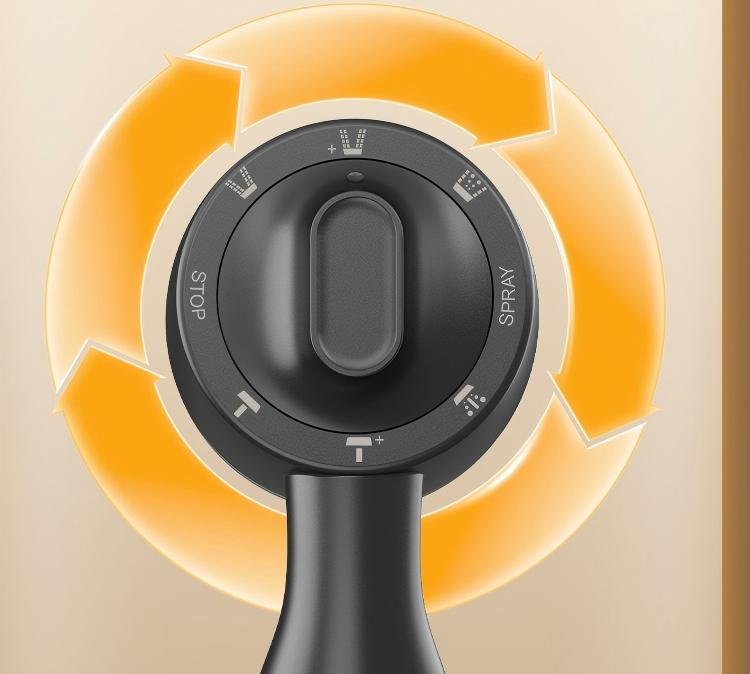
If you are buying a handheld set, run the hose, handle, spray plate, cartridge, and fittings together. You should not approve a loose filter body and hope the finished set works the same way. Jinko’s handheld shower filter options show the parts you need to lock down as one configuration.
Buy the version your customers will actually use
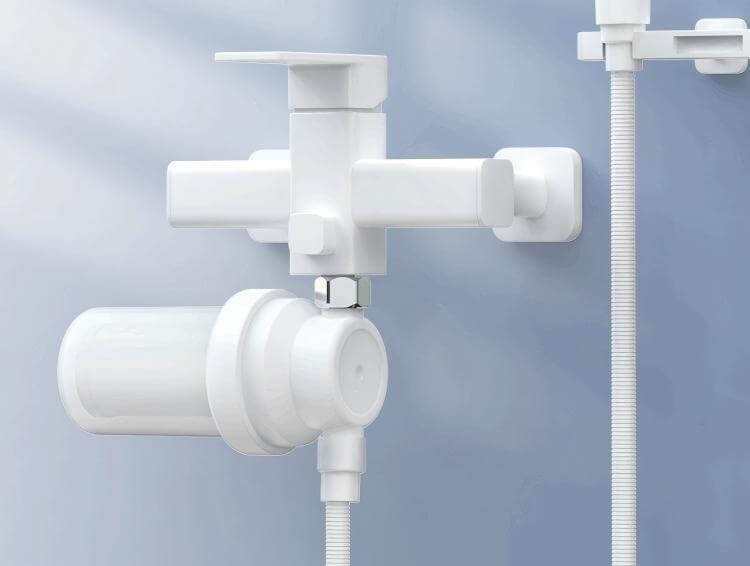
Your choice of format changes the support work you will inherit. An inline filter lets your customer keep an existing showerhead. A handheld set makes your product more visible, but it also gives you a hose, bracket, spray plate, finish, and a bigger carton to worry about.
| Where you sell | What you should look at |
|---|---|
| Your online store | Check the unboxing, your instructions, the shower feel, and how easily your customer can find the refill. |
| A hardware or plumbing distributor | Check the thread specification, seals, spare cartridges, and carton protection your distributor will ask about. |
| A beauty, salon, or gift channel | Check finish consistency, claim wording, refill information, and whether the product looks right on the shelf. |
| A wholesale catalogue | Check MOQ by finish, shared cartridge parts, stock planning, and labels for the markets you serve. |
Before you approve anything, ask for the dimensional drawing, thread specification, exploded view, and refill SKU. Then compare those documents with the actual sample in your hand.
Sort out the refill before your first sale
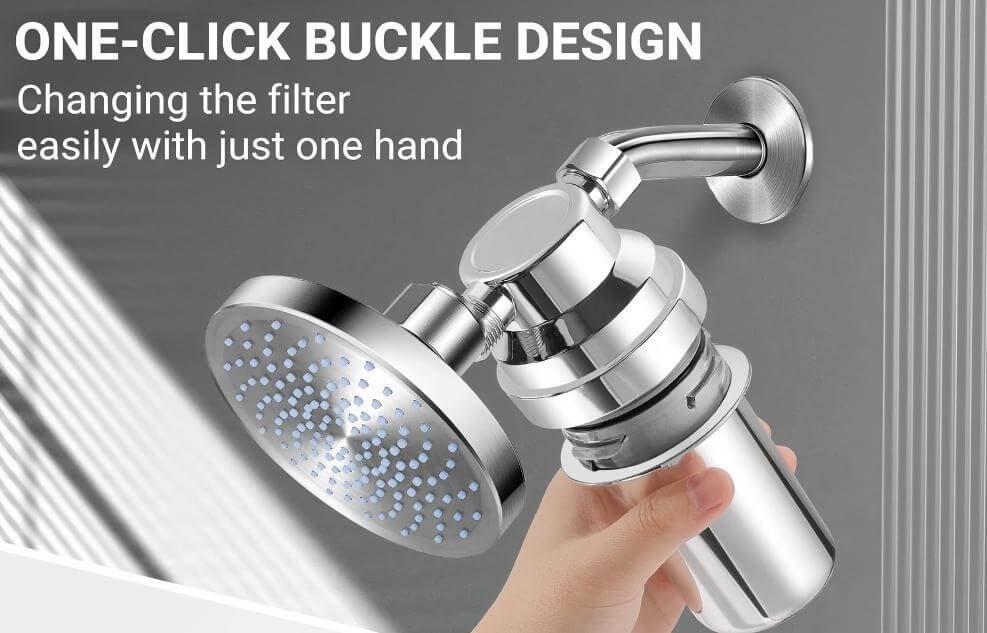
Your customer will ask about the refill sooner than you expect. Work that part out while you are approving the main unit. You need to know whether the cartridge can be changed without tools, whether it fits more than one model, how your customer identifies the correct SKU, and whether you can buy refill cartons before your main-unit stock runs out.
Do not copy a replacement interval from another listing. Your cartridge life depends on water quality, use, flow, and the formula you approved. You can use Jinko’s shower filter replacement guide when you write your customer instructions, but the wording on your own packaging must match your own cartridge.
Do not treat the carton as an afterthought
Pick up the finished unit and look at the parts your customer will touch. Check the thread edges, gasket fit, seam alignment, coating, and the feel of the product after you remove and reinstall the cartridge. If you approve more than one finish, keep a signed reference sample for each one. Chrome, matte black, brushed metal, and coloured housings can look different under different lighting.
Your carton belongs in the same approval conversation. Check that it includes the correct washers, short installation steps, refill guidance, and claims you can support for the completed SKU. Jinko lists logo, colour, and packaging choices on its homepage, including engraving, printing, mailer boxes, and gift boxes. Compare your final artwork with the cartridge specification before you release it.

Keep one page that everyone can follow
Give your factory, packaging team, and inspection team one signed approval sheet. Put your sample code, cartridge details, connection drawing, flow-test conditions, refill SKU, artwork revision, and shipment checks on it. Keep a copy with your purchase order. Keep the signed sample where your production team can find it.
- Write down the customer problem and the claim you approved.
- Write down the cartridge formula and the role of each active layer.
- Write down the test conditions used for your sample.
- Write down the thread standard, dimensions, and included parts.
- Write down the refill SKU and the instructions your customer will see.
- Write down the approved finish, logo method, artwork, and shipment checks.
If your sample, artwork, or refill SKU does not match that page, stop and fix it before production starts. When you are ready to define your private label shower filter project, send Jinko your target market, preferred format, claim direction, finish, package type, and refill plan.