

If you compare shower filters by stage count alone, two very different cartridges can look the same on paper. Both may say “15-stage,” but one may contain more working media, while the other may have a wider water path and better flow.
Before you buy, start with the water problem you want the filter to address. Then check what is inside the cartridge, whether the finished model supports its claims, how it affects flow, and whether it fits your shower. The replacement cartridge and the seals matter too, because you will deal with both long after the first installation.
If you are sourcing for wholesale or private label, you also need to know whether the factory can reproduce the approved sample. Your written specification, packaging, test evidence, and inspection method should all describe the same product.
Eight checks at a glance
| What to check | What you need to confirm |
|---|---|
| Water concern | Is the filter intended for chlorine odor, sediment, or another specific problem? |
| Filter media | Which media are used, and how much of each medium is in the cartridge? |
| Test evidence | Was the finished model tested under conditions that match the claim? |
| Water flow | What flow rate can you expect with the production cartridge installed? |
| Size and connection | Do the thread, adapters, and dimensions fit your shower or target market? |
| Replacement cartridge | Can you identify and buy the correct refill without guesswork? |
| Housing and seals | Have the threads, O-rings, gaskets, finish, and leakage been checked? |
| Production control | Can the supplier repeat the approved sample in a full production order? |
1. Start with the water problem you want to address
Chlorine odor, visible sediment, and hard water are different problems. If a product only promises “better water,” you still do not know what it is designed to reduce.
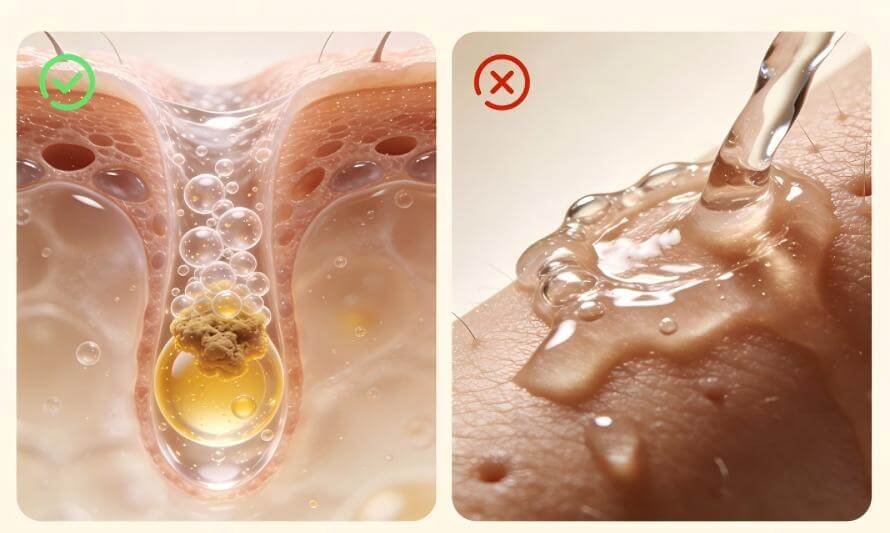
If chlorine odor is your main concern, look for media and test information related to chlorine reduction. If you can see particles in the water, check whether the cartridge includes a screen or another form of sediment filtration. Do not assume that a shower filter is also a water softener. If a seller claims hardness reduction, ask for test data from the finished model.
For a wholesale project, put the target water concern in your product brief. Add the intended market, water temperature, target flow, and expected cartridge life. When every supplier receives the same brief, you can compare samples against the same requirement.
2. Ask what is inside the cartridge and how much
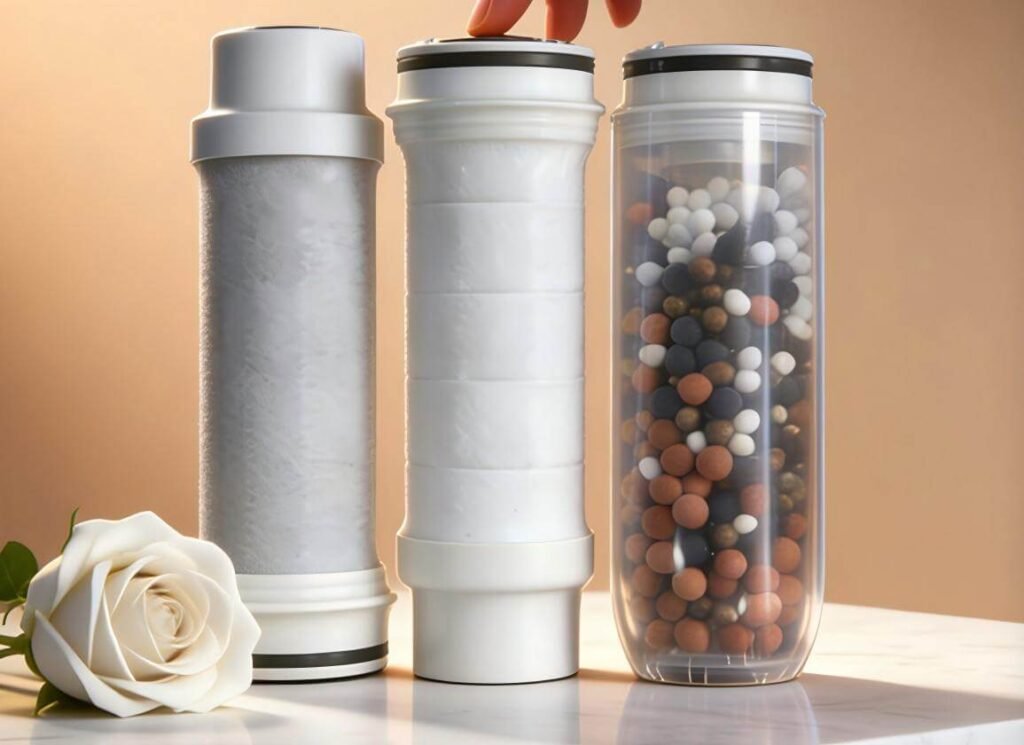
A long list of media names can sound impressive, but it does not tell you how much working material the cartridge contains. Two suppliers may both list KDF media and calcium sulfite while using very different media weights and cartridge layouts.
Look at the water path as well. If water can pass around the media bed, it will not have the same contact as water that must pass through it. Cartridge size, internal screens, and packing density can also change both contact time and flow.
When you are buying one unit for home, the product page should at least identify the main media and explain what each one is meant to do. For an OEM order, ask for the formula, media weights, and a cartridge section drawing. Put those details in your approved specification so any later change requires your approval.
3. Read the test report before you trust the claim
When you see a removal percentage, find out how it was measured. The report should name the model, test method, inlet concentration, water temperature, flow rate, test volume, and test period. Without those details, you cannot tell whether the result applies to the way you will use the filter.
Check whether the laboratory tested loose media or the complete shower filter. A result for loose media does not prove that the assembled product performs the same way. A material safety document is useful for a different reason; it is not a performance test.
If you are developing private-label packaging, finish this review before you print it. Match the model number, report, claim wording, instruction sheet, and carton. If the report supports a limited claim, keep that same limit on your packaging.
4. Check the flow with the complete filter installed
Every cartridge adds some resistance. A narrow water path, tightly packed media, a small screen, or a restrictive fitting can leave you with a weaker shower than you expected.
If your bathroom already has low pressure, ask for a flow result from the complete product with the production cartridge installed. The supplier should state the inlet pressure used for the test. A result from an empty housing tells you little about how the filter will feel in use.
For a wholesale project, test several samples with the same fixture and pressure. Record the cartridge, test setup, and acceptable range, then use that method again during production inspection. Our shower filter range includes several housing and cartridge formats for different flow and product requirements.
5. Make sure it fits your shower
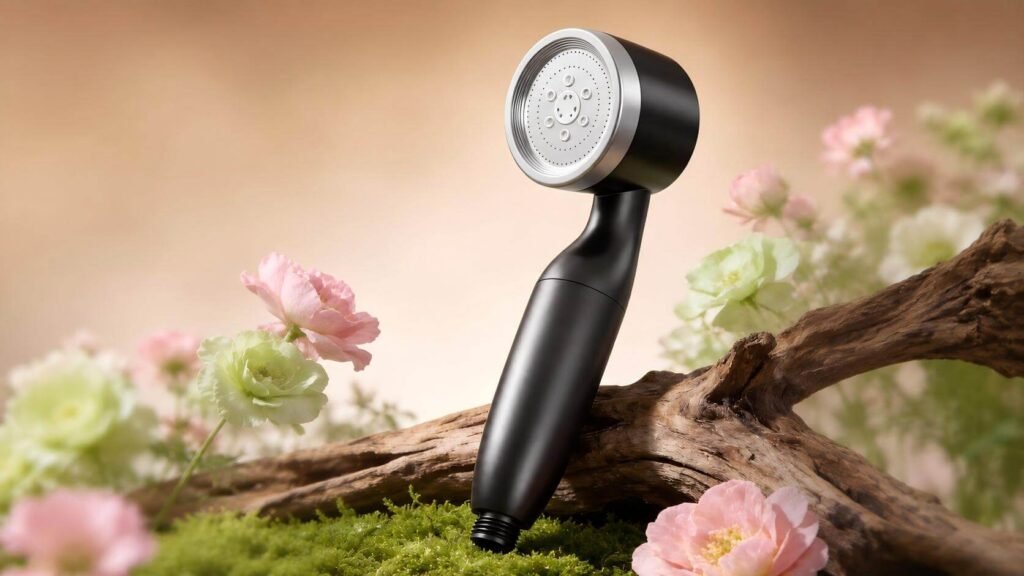
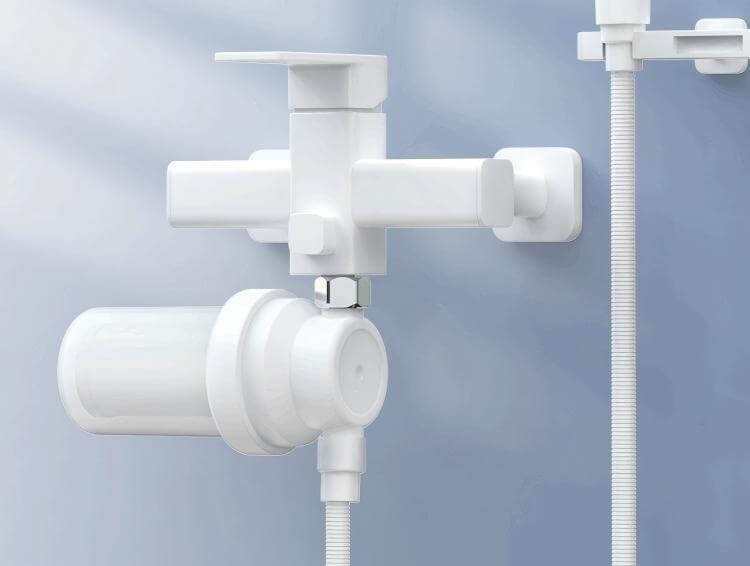
You will usually see three formats: an inline housing, a filtered shower head, or a handheld unit. The right choice depends on the connection and the space around your shower arm, not only on the appearance of the filter.
Before you order, confirm the thread standard, inlet and outlet direction, supplied adapters, gasket positions, and product dimensions. Measure the wall clearance too. An inline filter may connect to the shower arm but leave too little room for a large shower head.
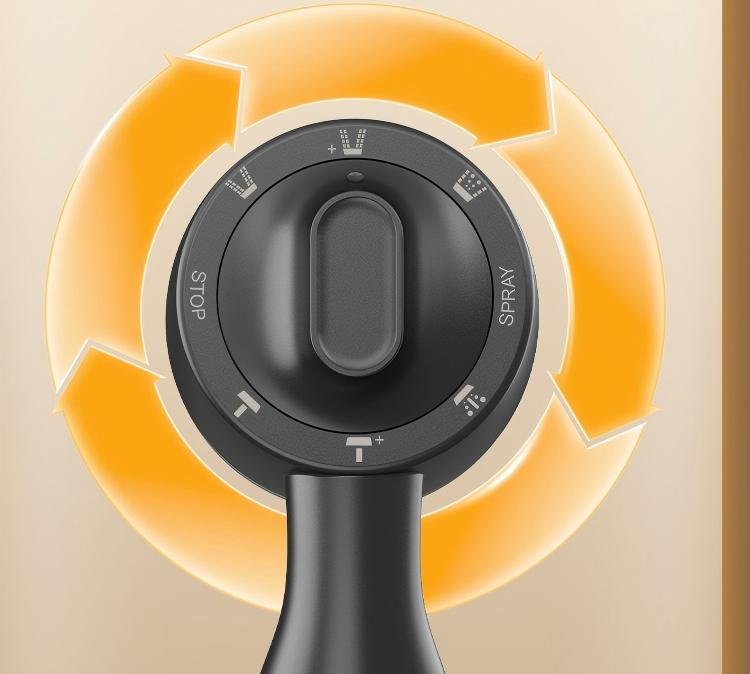
A handheld shower filter puts the cartridge in the handle. An inline model lets you keep your current shower head. Compare them based on your shower layout, preferred spray format, cartridge size, and replacement method.
6. Find the replacement cartridge before you buy the filter
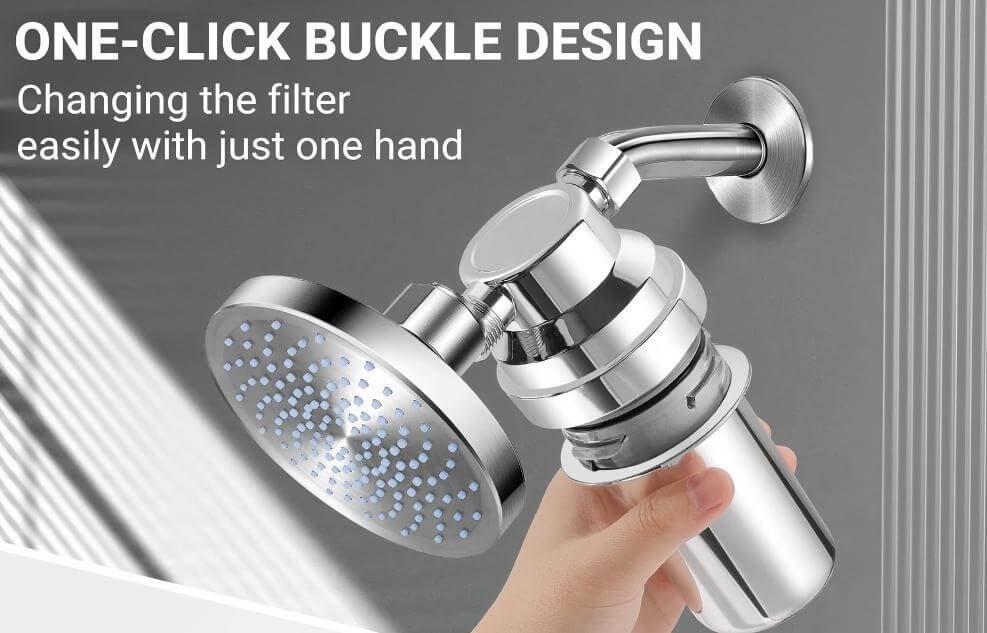
Before you buy the filter, check that you can also buy the correct replacement cartridge. Confirm the refill SKU, price, expected replacement interval, and installation steps. If the refill is difficult to identify now, it will not become easier several months later.
You may see service life stated by time, water volume, or both. Treat it as an estimate, because your water quality and daily use can shorten it. The instructions should tell you which conditions were used to set the interval.
For a private-label product, plan the refill at the same time as the main unit. Confirm its MOQ, lead time, packaging, barcode, and model compatibility. Use the same cartridge number on the housing, instruction sheet, refill box, and online listing. Our shower filter replacement guide explains the signs that tell you a cartridge may need changing.
7. Inspect the threads and seals, not just the finish
When you inspect a sample, look at the threads, O-ring, and gasket before you focus on the color or finish. These parts are common leak points. Damaged threads, the wrong O-ring, a gasket that does not sit flat, or poor assembly can all cause water to escape at the connection.
Install several samples with the supplied adapters and instructions. Check them immediately, then check again after pressure cycling. Look for cracks, distortion, molding marks, or uneven wall thickness in the housing. On plated parts, check for scratches, color differences, and weak adhesion.
If you are placing a wholesale order, define what passes and what fails for leakage, appearance, fit, and function. That gives the factory a clear inspection method and gives you a record for comparing production with your approved sample.

8. Put your wholesale requirements in writing
An approved sample is a starting point, not the whole order standard. If you want the production units to match it, record the details the factory must repeat.
Your specification can cover the model, media formula, media weight, cartridge, housing finish, thread, accessories, claim wording, instructions, retail box, master carton, and refill SKU. Ask how the factory checks incoming materials, assembly, flow, leakage, appearance, and packing. Agree on the QC records before you place the order.
Review the MOQ, tooling charge, artwork deadline, sample time, production lead time, spare-parts policy, and complaint process together with the unit price. A small saving per filter can disappear if you later pay for rework, late delivery, or customer returns. Our guide to choosing a shower filter supplier goes further into these checks.
Which shower filter should you choose?
For home use, choose a filter made for your stated water concern, with a connection that fits, a flow you can accept, and a replacement cartridge you can buy again. Read the test information before you rely on a percentage printed on the box.
For wholesale or private label, approve the written specification, packaging claims, inspection method, and refill supply before production begins. Keep the approved sample, but do not make it your only order record.
Jinko supplies shower filtration products for retail, distribution, OEM, and private-label programs. You can review our water filtration product range or contact us with your target market, shower format, water concern, order quantity, and packaging requirements. We can then prepare a sample and written specification for you to review.