
A vitamin c shower filter can look like an easy product to add to your line. You choose a finish, add your logo, and put a few benefits on the box. The difficult part comes later, when your customer asks one simple question: what does this filter actually remove?
You can give a clear answer without overselling it. Vitamin C is used in shower filters because it can neutralize chlorine and chloramine under suitable conditions. That does not make every vitamin C cartridge the same, and it does not make your product a water softener or a cure for every water complaint.
If you are building a private label range, your job is to match the cartridge, flow, claim, and replacement plan. This guide gives you the plain-language version your sales team can use and the product questions your supplier should answer before you put your name on the box.
What can a vitamin C shower filter do?
In a shower application, vitamin C is commonly chosen for chlorine and chloramine reduction. Your customer may notice less of the familiar pool-like smell in the water. That is the useful promise. Keep it tied to the finished cartridge and the conditions under which you expect it to work.
For your product page, avoid turning that into “removes everything.” Your customer is not buying a whole-house treatment system. A shower filter has limited media volume and a short contact time because water moves through it while someone showers.
What should you not claim?
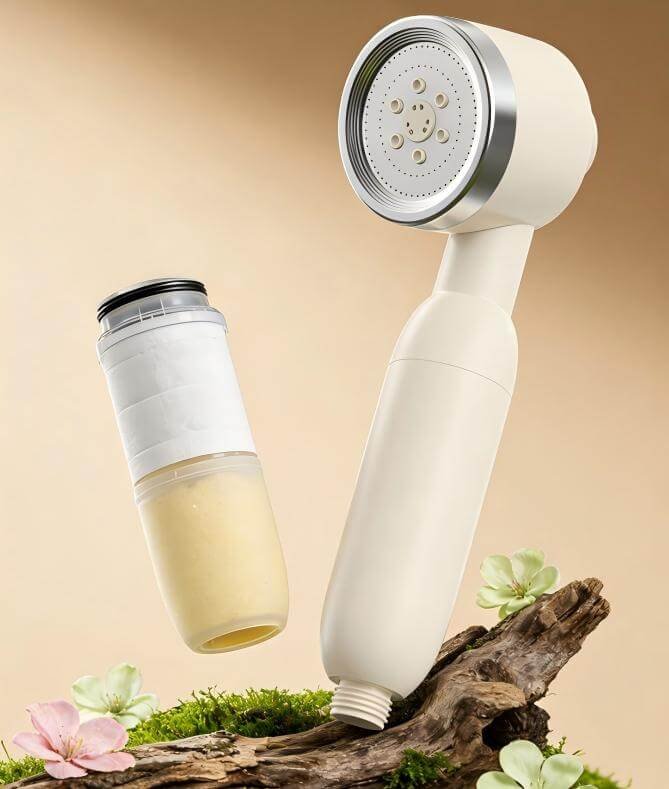
You should not call a vitamin C shower filter a water softener unless you have evidence for the completed product and the wording you plan to use. Hardness comes from minerals such as calcium and magnesium. Chlorine reduction and hardness reduction are different jobs, so your packaging should not blur them together.
You should also be careful with broad claims about metals, scale, hair loss, skin conditions, or “detox.” If you want to make a performance claim, ask your supplier what was tested, which cartridge was used, what the flow conditions were, and whether the test matches your finished SKU.
A short, honest claim makes your brand easier to defend. It also gives your customer a reason to trust the replacement instructions you provide later.
Why two vitamin C cartridges can feel very different
Two filters can both say “vitamin C” and still give your customer different results. The amount of active material, the water path, the cartridge size, the shower pressure, and the way the media is packed all change how water moves through the unit.
That is why stage count is a poor shortcut for you to use when you compare suppliers. Ask to see the cartridge structure. Ask what the active media is doing. Then ask how the assembled filter was tested. A long list on a marketplace listing is not a product specification.
| What you should compare | Why it matters to your product |
|---|---|
| Active media and loading amount | You need to know what is doing the work and whether the cartridge supports the claim on your box. |
| Water path and flow | You need a shower experience your customer will accept after the cartridge is installed. |
| Cartridge size and replacement plan | You need a refill that your customer can identify and that you can keep in stock. |
| Finished-product test conditions | You need evidence for the whole unit, not a result for loose media in isolation. |
Where KDF and carbon fit into your decision
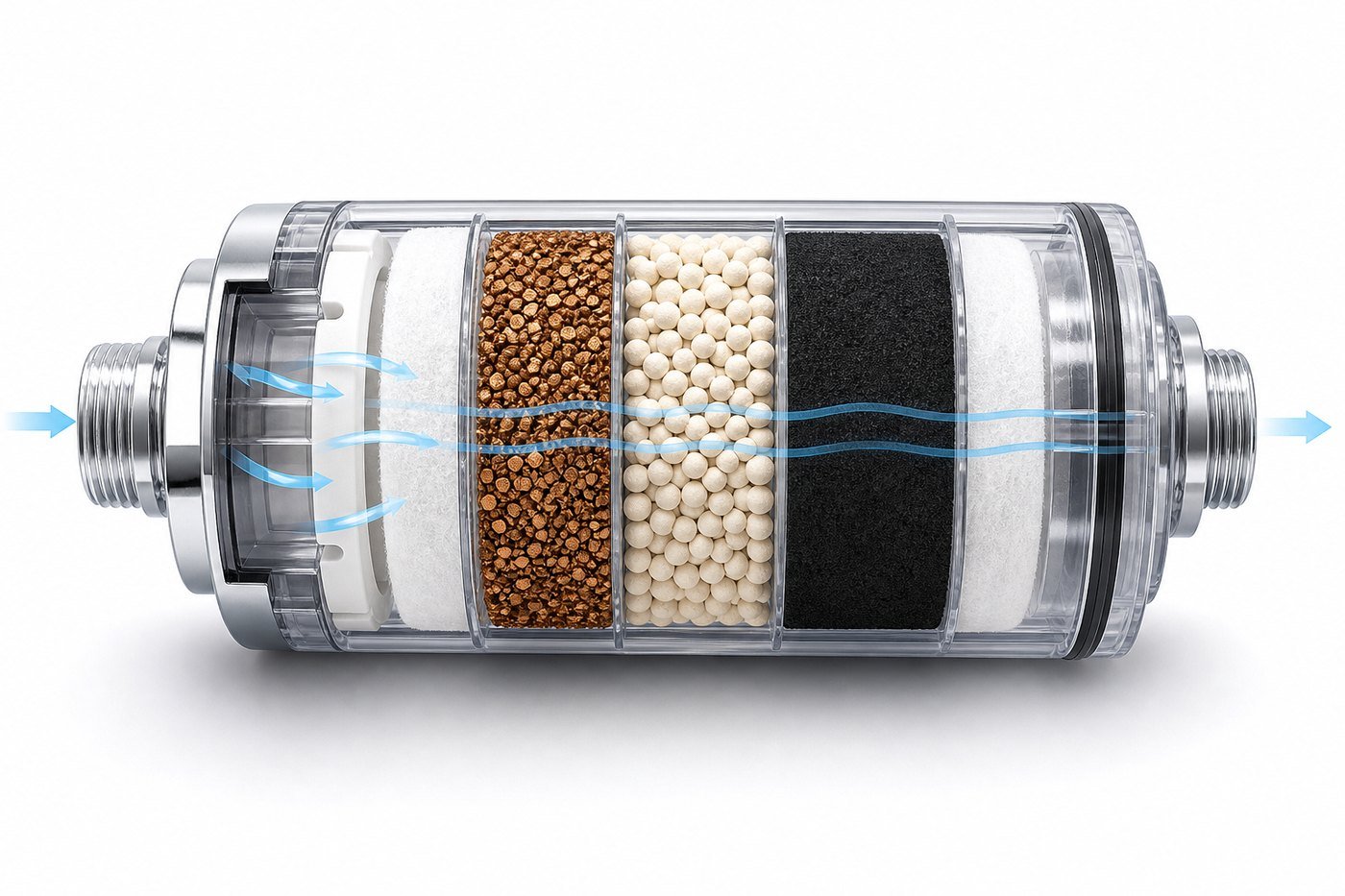
You do not have to treat vitamin C as the only possible answer. Some brands use a mixed-media cartridge because they want to address a particular sales channel, refill format, or claim direction. KDF and activated carbon can serve different roles from vitamin C, so you should decide what you want your product to do before you decide how many layers to put inside it.
Jinko’s KDF vs. vitamin C shower filter guide helps you compare those media choices. Use it to frame the discussion with your supplier, then make the final decision around your water concern, target customer, and finished-product evidence.
Give your customer a product that is easy to live with
Your customer will remember more than the first shower. They will remember whether the filter fits, whether the unit leaks, whether the shower still feels comfortable, and whether they can find the refill six months later. You should check those points while you choose the format, not after you have already printed the carton.
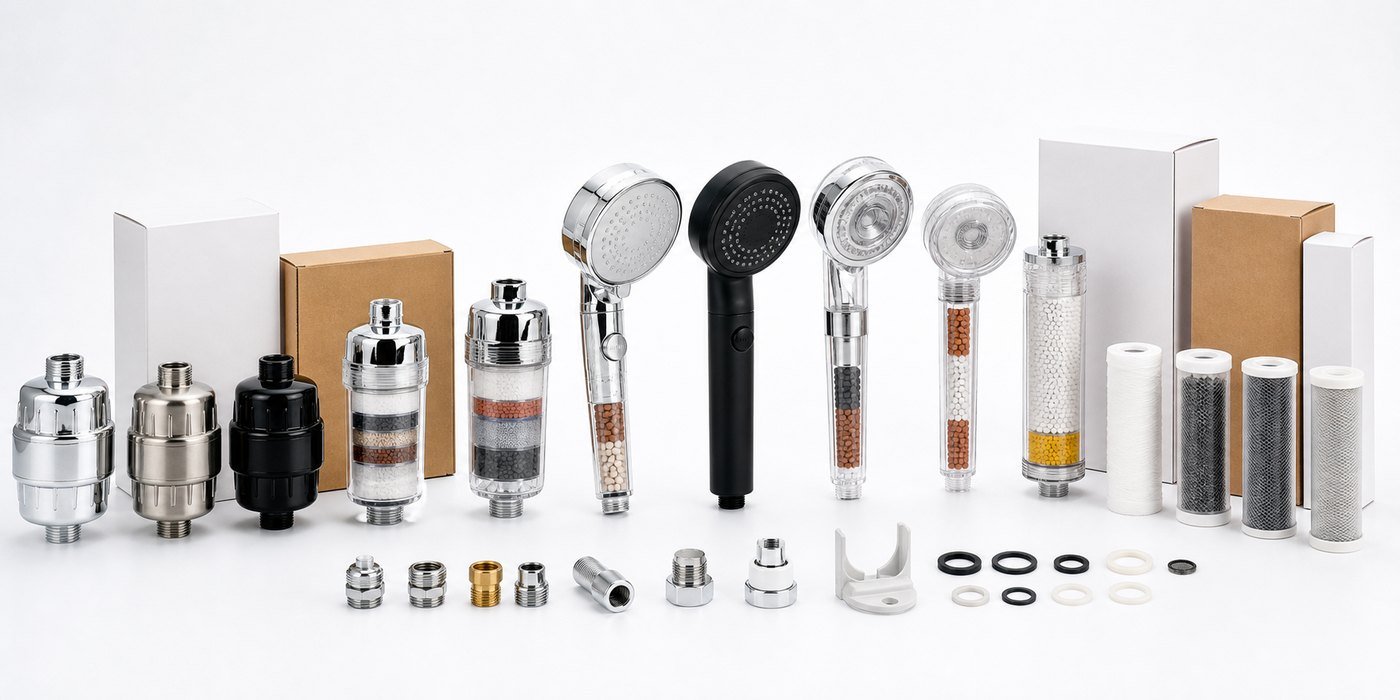
An inline model may work when you want your customer to keep an existing showerhead. A handheld model gives you a more visible product, but you also need to approve the hose, handle, spray plate, bracket, and cartridge as one set. You can review Jinko’s handheld shower filter options when you are deciding which route fits your range.
Make the replacement message believable
Your replacement guidance should come from the cartridge you approved, not from a line copied from another product page. Water quality, usage, flow, and media loading all affect how long a cartridge can serve your customer.
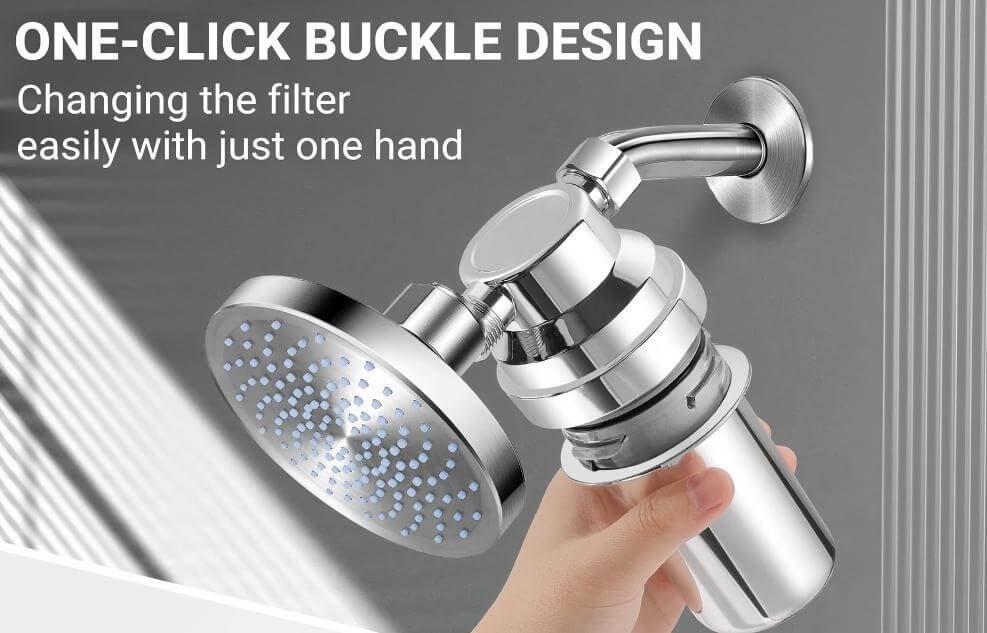
Explain the replacement SKU clearly on the housing, instruction sheet, refill carton, and listing. If your customer has to guess which refill fits, you create support tickets and lose repeat sales. Jinko’s shower filter replacement guide can help you explain the signs of a used cartridge without making a one-size-fits-all promise.
What you should ask before you place an order
Ask your supplier for the cartridge specification, the connection standard, the flow-test conditions, the replacement SKU, and the artwork revision that belongs to your sample. You do not need a long presentation. You need the few documents that let your team check that the product, the claim, and the refill all describe the same item.
- Ask which water concern your product is designed to address.
- Ask what the vitamin C media does in the finished cartridge.
- Ask which claim wording your supplier can support for your exact SKU.
- Ask how the complete unit was tested at normal shower flow.
- Ask how your customer will identify the correct replacement cartridge.
- Ask which parts, finish, and carton artwork are locked for production.
When you can answer those questions, you have more than a nice-looking vitamin C shower filter. You have a product your customer can understand and your team can support. If you want to develop that type of range, send Jinko your target market, preferred format, claim direction, finish, package type, and refill plan.