
The Science Behind Chlorine and Hair: Why It Wreaks Havoc
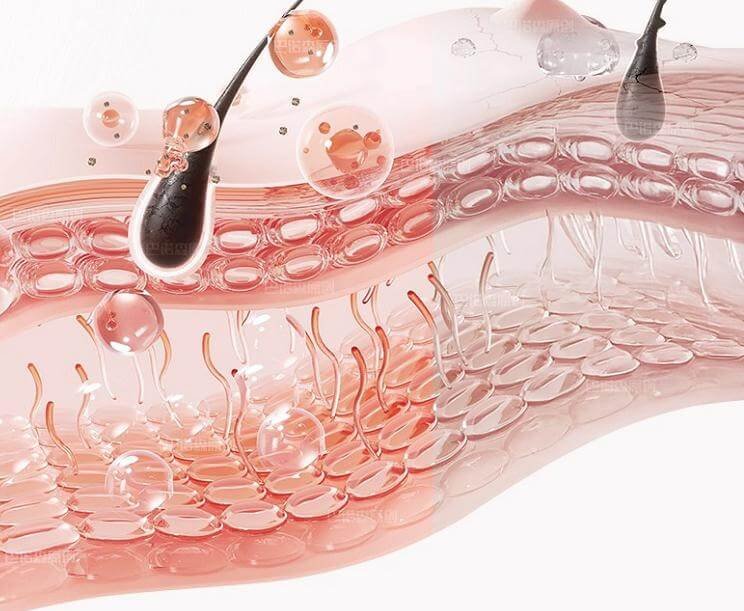
To understand how chlorine damages your hair, let’s start with the basics of hair anatomy. Each strand is made up of three main layers: the cuticle, cortex, and medulla. The cuticle is the outer shield—a thin, protective layer of overlapping scales that keep moisture in and harmful elements out. Beneath it lies the cortex, where your hair’s strength, texture, and color originate. The medulla is the innermost core, often absent in finer hair.
When you swim in chlorinated pools, the water’s chemistry disrupts delicate balances in your hair. Pools are treated with chlorine to kill bacteria, but this chemical raises the water’s pH, making it more alkaline than your scalp and hair prefer. This pH shift causes the cuticle scales to lift and open, leaving the cortex exposed and vulnerable.
At the molecular level, chlorine attacks your hair in several ways:
- Salt bond disruption: Chlorine’s alkaline nature breaks salt bonds within the hair cortex, weakening its internal structure.
- Sebum stripping: The natural oils that protect and moisturize your hair are stripped away, leading to dryness and brittleness.
- Mineral binding: Chlorine reacts with metals like copper and iron in pool water, causing stubborn residues that can dull and discolor hair (think “green hair” for swimmers).
The good news? Using a pH-balancing shampoo after swimming helps restore your hair’s natural acidity, sealing the cuticle back down and locking in moisture. This step is vital to counteract chlorine’s damaging effects and keep your strands healthy and vibrant.
Telltale Signs of Chlorine-Damaged Hair: What to Watch For
If you spend time in chlorinated pools, you might notice your hair acting up. Here’s what to look for when it comes to chlorine damage:
- Dryness and Brittleness: Chlorine strips away natural oils (sebum), leaving hair dry and prone to snapping.
- Breakage and Split Ends: Hair becomes fragile and breaks more easily, causing split ends that won’t heal on their own.
- Discoloration and Brassiness: Chlorine reacts with minerals, sometimes turning hair greenish (especially for swimmers with blonde or light hair) or causing unwanted brass tones.
- Scalp Irritation: Dryness often leads to itching, dandruff, or a sensitive scalp.
- Increased Frizz: The cuticle, or outer hair layer, lifts and roughens, inviting frizz and flyaways.
Acute vs. Chronic Chlorine Damage
| Damage Type | Description | Symptoms |
|---|---|---|
| Acute | Short-term exposure, sudden noticeable effects | Temporary dryness, tingling scalp |
| Chronic | Regular, repeated exposure over time | Permanent brittleness, split ends, discoloration |
Quick Self-Check Quiz: Is Your Hair Suffering from Chlorine Damage?
- Does your hair feel unusually dry after swimming?
- Are you noticing more breakage or split ends than usual?
- Is there a green or brassy tint showing up?
- Do you experience scalp itching or flakiness after pool time?
- Does your hair frizz more than normal?
If you answered yes to two or more, your strands are likely feeling the effects of chlorine.
For helping reduce chlorine buildup, consider products like a vitamin C shower filter to protect your hair post-swim. It helps restore hair’s natural balance by neutralizing chlorine and other pool contaminants.
Who’s Most at Risk? Chlorine’s Impact on Different Hair Types
Chlorine doesn’t affect everyone’s hair the same way. Some hair types are more vulnerable, so knowing your risk helps you protect your strands better.
Vulnerable Hair Types
- Fine or Thin Hair:These strands have less protective cuticle, so chlorine penetrates easily, causing more dryness and breakage.
- Chemically Treated or Bleached Hair:Coloring, bleaching, or perms weaken the hair’s structure. Chlorine worsens porosity, leading to brittleness and color fading.
- Curly and Coily Hair:Naturally dry hair types rely on oils that chlorine strips away. This makes frizz, tangles, and breakage worse.
- Color-Treated or Aging Hair:Aging hair loses moisture and elasticity over time, while color-treated hair experiences quicker color fading and brassiness from chlorine exposure.
- Sensitive Scalps:Chlorine can irritate and dry out delicate scalps, causing itchiness and flaking.
Risk Level and Product Pairings
| Hair Type | Chlorine Damage Risk | Recommended Protective Products |
|---|---|---|
| Fine/Thin Hair | High | Lightweight leave-in conditioners, pH-balancing shampoos |
| Chemically Treated/Bleached | Very High | Protein treatments, sulfate-free clarifying shampoos |
| Curly/Coily Textures | High | Deep moisturizing conditioners, natural oils (e.g., coconut, argan) |
| Color-Treated/Aging Hair | Medium to High | Color-safe shampoos, anti-brassiness products, hydration masks |
| Sensitive Scalp | Medium | Soothing scalp treatments, aloe vera-infused products |
Tailoring your hair care routine to your hair type can reduce chlorine damage significantly. For example, swimmers with fine or chemically treated hair might benefit from using a specialized pH-balancing shampoo after every swim to restore hair health.

For those with sensitive scalps or hard water concerns that worsen chlorine effects, using a hand-held shower filter can help reduce chemical buildup during regular rinses, protecting your scalp and hair further.
Identifying your hair’s unique needs is the first step toward beating swimmer’s hair for good.
Proven Prevention Strategies: Shield Your Hair Before Diving In
Protecting your hair from chlorine damage starts before you hit the pool. Here are simple but effective prevention tips to keep your strands safe:
- Pre-wet with fresh water: Soaking your hair with clean water before swimming helps reduce how much chlorinated water your hair absorbs. Think of it as saturating your hair to prevent it from drinking in the harsh pool chemicals.
- Apply a protective barrier: Use a leave-in conditioner or natural oils like coconut or argan oil to coat your hair. This layer helps seal the cuticle and blocks chlorine from penetrating deep. Lightweight leave-in treatments are great for swimmer’s hair because they add moisture without weighing strands down.
- Wear a swim cap: A snug swim cap shields your hair physically from chlorine exposure. Silicone or latex caps work well, but remember—caps aren’t 100% waterproof, so use them alongside other methods. Wearing a cap also reduces tangles and friction, lowering breakage risk.
- Choose low-chlorine pools and alternatives: If you have options, pick pools with minimal chlorine levels or saltwater pools. Check local pool recommendations to find swimmer-friendly spots that prioritize gentler water treatment.
- Post-swim rinse protocol: Rinse your hair immediately after swimming with fresh water to flush out chlorine and minerals. Follow up with a gentle clarifying shampoo specially formulated to remove chlorine buildup without stripping natural oils.
These prevention steps help maintain your hair’s natural pH and moisture balance, combating common issues like dryness, brittleness, and split ends. For more on maintaining water quality and its effects, explore tips on how to remove hard water stains and balance water filters—which can also impact your hair health.
Adopting these habits will keep your hair strong and smooth, letting you enjoy swimming without worrying about chlorine damage.
Repairing the Damage: Post-Swim Recovery for Healthier Strands
After a swim, the first step to fixing chlorine damage is rinsing your hair immediately with fresh water. This helps wash away chlorine before it sets deep into your strands. Following up with a clarifying shampoo made for swimmers can remove stubborn buildup and restore your hair’s natural pH balance.
Next, deep conditioning is a must. Look for hydrating masks or conditioners that boost moisture and repair brittleness caused by chlorine dryness. Protein rebuilders are especially helpful—they work to strengthen weakened hair by filling in gaps in the cortex where damage has occurred.
Chelating shampoos are another targeted solution. These remove minerals like copper and iron that cause discoloration and green hair from pools. Use them as part of your weekly routine to keep your hair clear and vibrant.
To support recovery, consider regular professional trims to get rid of split ends from swimming damage. Plus, scalp massages can boost blood flow and help restore scalp health, reducing dryness and irritation.
Keep track of your hair’s progress with before and after photos or notes. This way, you’ll notice improvements and know what works best for your unique swimmer’s hair routine. For more detailed advice on protecting your hair and fighting chlorine damage, check out expert guides like the ones available on Jinko Filter’s blog.
Long-Term Hair Health: Building Resilience Against Chlorine and More
Keeping your hair healthy long-term means more than just quick fixes after swimming. To build real resilience against chlorine and everyday damage, start by maintaining your hair’s natural pH balance year-round. Using pH-balancing shampoos and conditioners helps prevent the cuticle from lifting and protects your strands from becoming overly dry and brittle.
Make it a habit to deep condition your hair at least every two weeks. This regular hydration locks in moisture, replenishing what chlorine and pool chemicals strip away. Look for products rich in natural oils and humectants for best results.
Nutrition also plays a big role. Foods rich in omega-3 fatty acids and biotin support scalp health and promote stronger, shinier hair from the inside out. Supplements can help if your diet lacks these nutrients.
There’s a common myth that chlorine will make you lose hair—but while it does cause dryness and breakage, chlorine itself doesn’t cause permanent hair loss. Focusing on good hair care routines helps prevent damage and keeps your hair looking healthy.
For swimmers looking to stay ahead of chlorine damage, subscribing to a swimmer essentials guide or newsletter can provide ongoing tips, product updates, and seasonal care ideas to keep your hair in top shape.
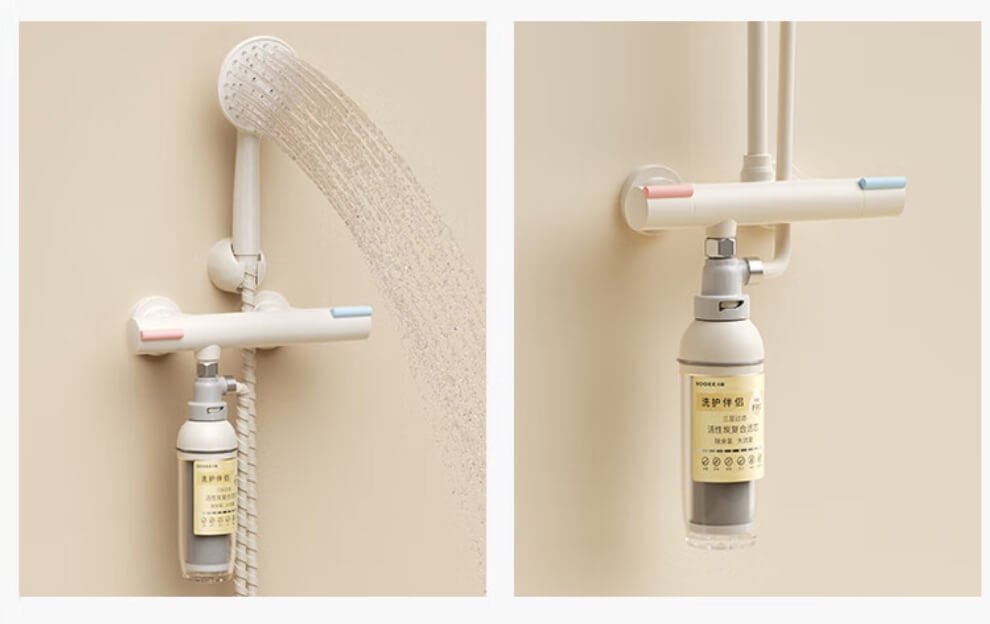
For those wanting extra protection, consider using a quality shower filter at home to reduce chlorine exposure in your water, supporting healthier hair beyond the pool.