
The Science Behind Chlorine’s Impact
Chlorine is a powerful oxidant commonly used to disinfect pool and tap water. When chlorine interacts with water, it forms hypochlorous acid—a compound known for its strong antimicrobial effects. While great for killing germs, this same chemical action can affect your skin the moment it touches it.
Here’s how chlorine impacts your skin right away:
- Strips natural oils: Chlorine removes the protective oils your skin naturally produces, which keep it soft and supple.
- Increases transepidermal water loss: Without those oils, water evaporates faster from your skin, leading to dryness.
- Disrupts the skin barrier: The combination of oil loss and water evaporation weakens your skin’s barrier, making it more vulnerable to irritants and inflammation.
How bad these effects are depends on several factors:
- Chlorine concentration: Pools with higher chlorine levels cause more damage.
- Exposure duration: Longer swims or showers increase your skin’s contact time with chlorine.
- pH balance: Water pH affects how harsh chlorine feels; imbalanced pH can worsen skin irritation.
- Your skincare routine: Products you use before and after exposure (like moisturizers or barrier creams) can either protect or further stress your skin.
Understanding this chemistry helps you see why chlorine may dry out and irritate your skin—and how to better protect yourself.
Common Short-Term Effects of Chlorine on Skin
When chlorine comes into contact with your skin, the most common short-term effects you might notice include dryness and dehydration. Your skin can feel tight, start flaking, or even look pruny, especially after swimming or showering in chlorinated water. This happens because chlorine strips away the natural oils that protect your skin, leaving it vulnerable.
Irritation and redness are also frequent complaints. You might experience itchiness, stinging, or mild inflammation shortly after exposure. For some people, this can escalate to rashes or contact dermatitis, which can be either irritant or allergic in nature. Swimmer’s itch, caused by irritation from chloramine—the chemical byproduct of chlorine and sweat or urine—can lead to red, itchy hives that vary in severity.
Eye irritation and scalp problems are common as well. Red, bloodshot eyes often signal chlorine sensitivity, and your hair roots may become brittle or dry, leading to breakage if frequently exposed.
Based on real user feedback, these symptoms range from mild to moderate depending on factors like how long you stayed in the water and your skin’s sensitivity. For those who swim regularly, managing these effects is key to maintaining healthy skin.
If you’re looking for solutions to reduce these symptoms, exploring options like specialized shower filters can help. Devices such as the Jinko shower filters are designed to neutralize chlorine from tap water, providing some relief from these common chlorine rash symptoms and irritation.
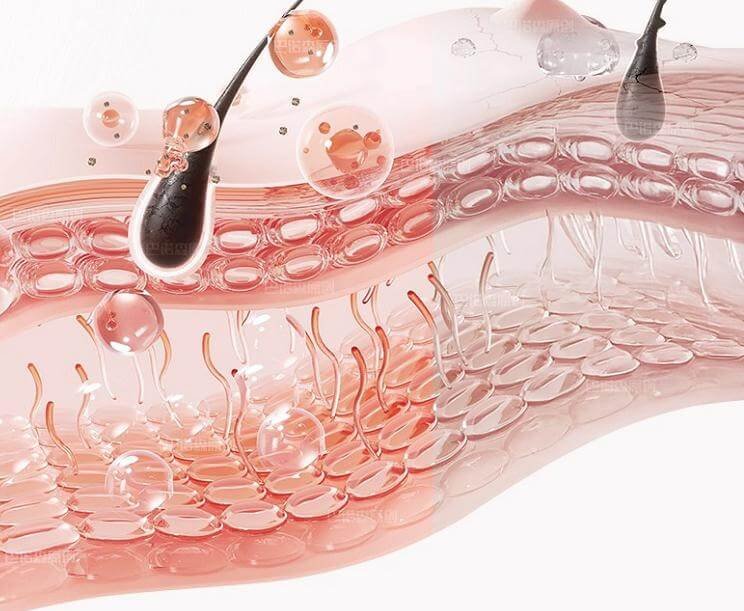
Long-Term Risks of Chlorine on Your Skin
Repeated exposure to chlorine can lead to premature aging of the skin. Chlorine causes oxidative stress that breaks down collagen and elastin, which are essential for keeping skin firm and smooth. Over time, this leads to fine lines, wrinkles, and a noticeable loss of elasticity.
Chlorine also worsens existing skin conditions. For people with eczema, regular contact with chlorinated water often triggers flare-ups, while acne-prone skin may become more irritated and prone to breakouts. Those with rosacea may notice increased redness and sensitivity after swimming or showering in chlorinated water.
A weakened skin barrier is another major concern. Chlorine strips away the natural oils that protect your skin, making it easier for bacteria to grow and infections to set in. This can delay healing and, in cases of heavy exposure, even cause chemical burns. Vulnerable groups—such as children, athletes who swim frequently, seniors, and people with sensitive skin—are especially at risk of these long-term effects.
To better protect your skin long-term, it’s a good idea to invest in tools that reduce chlorine exposure at home, like a chlorine-filtering shower system that can help maintain your skin’s natural barrier.
Prevention Strategies
Protecting your skin from chlorine starts before you even hit the pool. Wetting your skin with clean water helps reduce how much chlorine it absorbs. Applying a barrier cream or a waterproof moisturizer with ceramides creates a shield that keeps moisture in and chlorine out.
While swimming, consider using swim caps and goggles to protect your scalp and eyes, and limit your time in chlorinated water to reduce exposure. Maintaining balanced pool chemicals also plays a key role in reducing harsh skin effects.
After swimming, rinse off with pH-neutral water to restore your skin’s natural acidity. Follow up with hydrating serums containing hyaluronic acid and antioxidants to help repair and soothe dryness and inflammation.
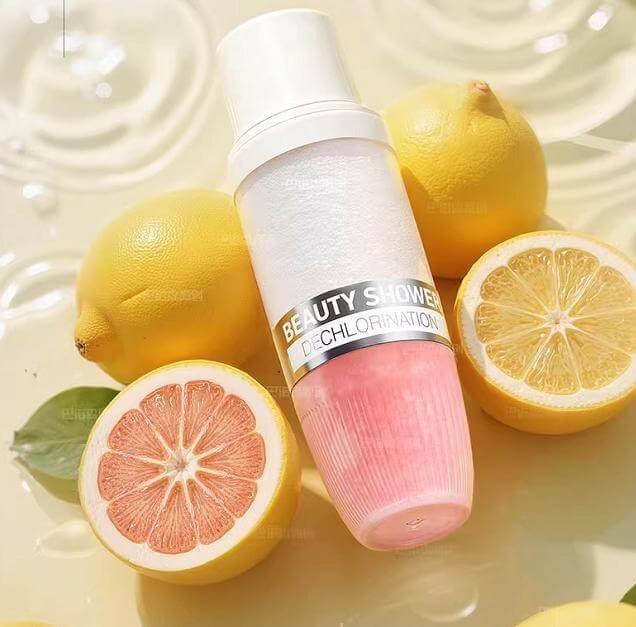
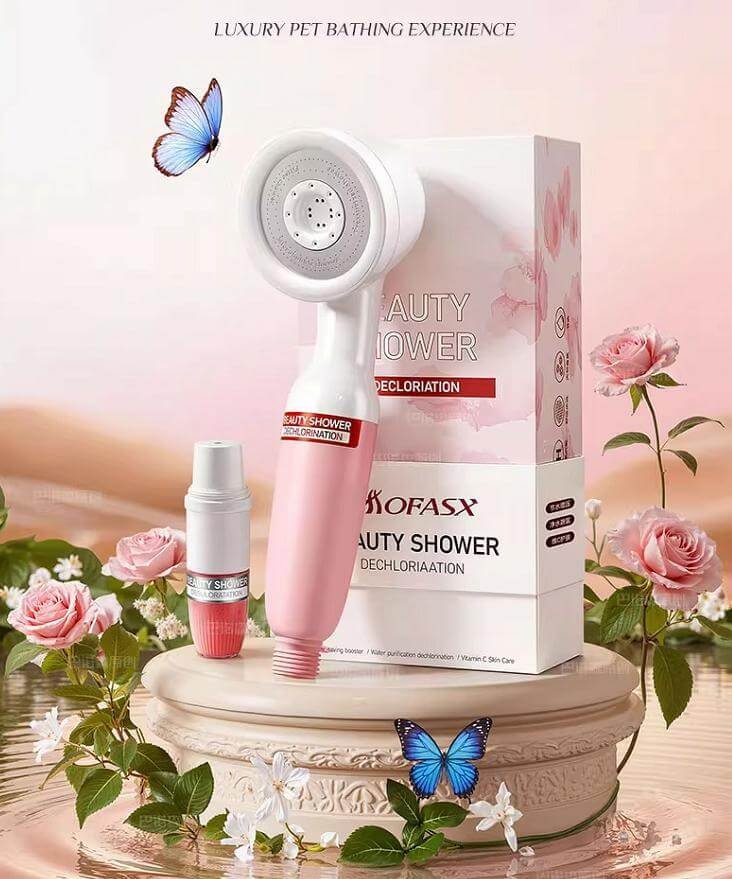
At home, installing chlorine-neutralizing shower filters is a great way to reduce ongoing chlorine exposure from tap water, which also affects skin health. For daily care, try the Jinko Chlorine Defense Moisturizer, formulated specifically to repair and protect skin damaged by chlorine.
For more info on reducing chlorine impact in your water at home, check out how a vitamin C shower filter can help neutralize chlorine and support skin barrier repair.
Natural and Professional Remedies
When chlorine irritates your skin, gentle at-home remedies can help calm and repair it. Oatmeal baths soothe dryness and itching, while aloe vera provides cooling relief and helps reduce inflammation. For deeper hydration, try oil-based balms that lock in moisture and support the skin barrier.
If you notice persistent blisters, widespread rashes, or signs of infection, it’s important to seek professional care. These symptoms could indicate more serious reactions or secondary infections needing medical treatment.
For targeted care, Jinko offers specialized products designed to restore and protect chlorine-affected skin. Their soothing masks and repair creams receive positive user feedback for reducing redness and reinforcing the skin’s natural barrier.
Also, consider holistic approaches to strengthen your skin from the inside out:
- Diet rich in omega-3s supports skin health and reduces inflammation.
- Using humidifiers at home helps maintain ambient moisture, preventing excessive dryness.
Together, these remedies can speed recovery and reduce the discomfort caused by chlorine exposure. For comprehensive skin protection, pairing these treatments with clean, filtered water is essential—check out the benefits of using a reliable water filter pitcher to reduce chlorine exposure daily.
Myths vs. Facts About Chlorine and Skin
There’s a lot of confusion about how chlorine affects your skin. Let’s clear up some common myths:
- Myth: Chlorine only affects swimmers.Fact: Chlorine in treated shower water and tap water can also dry out and irritate your skin, even if you don’t swim regularly.
- Myth: All skin dryness after swimming is due to chlorine.Fact: Sun exposure combined with chlorine makes skin damage worse. UV rays plus chlorine lead to faster skin dehydration and increase the risk of redness or irritation.
- Myth: Small amounts of chlorine are harmless.Fact: Even low doses, over time, can build up and weaken your skin’s barrier, causing dryness, sensitivity, and premature aging.

Quick Q&A
Q: Can I avoid chlorine’s skin effects by just showering after swimming?
A: Showering helps but won’t completely fix the damage unless you also use pH-balanced rinses and moisturizing skincare.
Q: Does chlorine cause allergic reactions?
A: Some people are sensitive and can develop rashes or swimmer’s itch, but most irritation comes from chlorine’s drying effect, not allergies.
Q: Is it safe to swim daily in chlorinated pools?
A: Frequent exposure means you need better skin protection and recovery routines to avoid long-term damage.
For more detailed skin protection tips, check out our practical guides on Jinko’s blog.