
Worried your tap water is ruining your recipes? The hidden chemicals and off-tastes can compromise your best dishes. It’s time to discover a simple secret to better cooking.
Absolutely. Cooking with filtered water is a game-changer. It removes impurities like chlorine and heavy metals that affect flavor and food quality. This simple switch enhances the natural taste of your ingredients, making everything from your morning coffee to your evening pasta noticeably better and healthier.
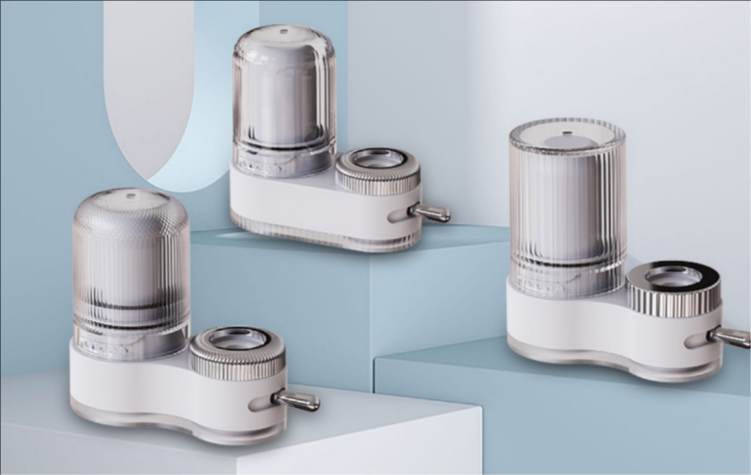
I’ve spent over 15 years in the water filtration industry, and one question I get a lot is about cooking. People focus on drinking water, but they often overlook the water they use to prepare their food. Once you understand the difference it makes, you’ll never go back. Let’s explore why this simple change is so powerful and how you can easily start.
Is it okay to cook with filtered water?
You trust your ingredients, but do you trust your water? Tap water can introduce unwanted elements into your food. This can subtly sabotage the flavor you work so hard to create.
It’s more than okay; it’s recommended. Using filtered water ensures you’re cooking with a pure, neutral base. This allows the true flavors of your food to shine without interference from chlorine or other contaminants commonly found in tap water, leading to a superior culinary result.
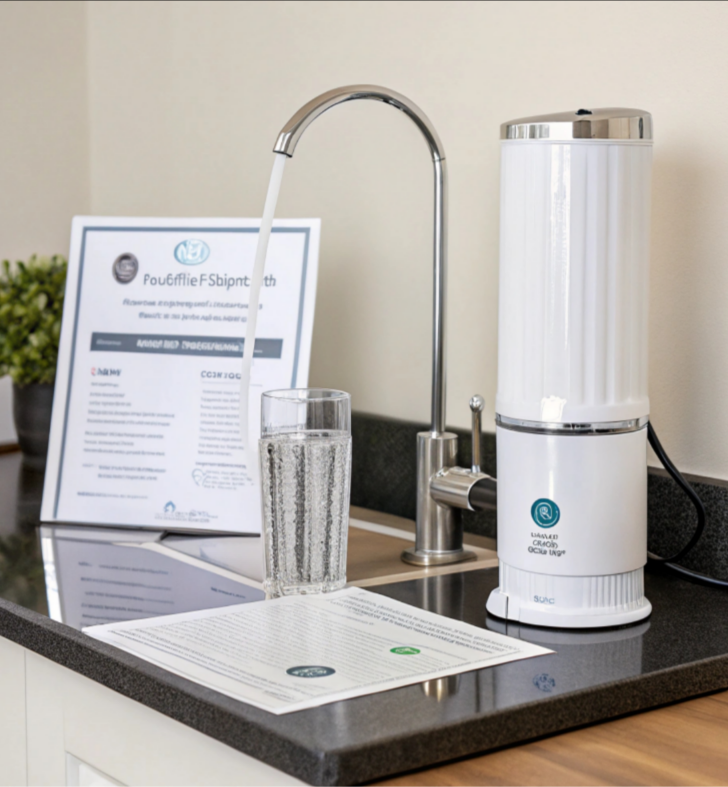
In my experience, especially when working with brands targeting a discerning audience, the conversation always turns to purity. Think about the French consumer mindset. They don’t just buy a product; they buy into a lifestyle of wellness and quality. Using filtered water for cooking aligns perfectly with this. It’s not just about safety; it’s about control over the final product. Tap water composition varies, but filtered water provides a consistent, clean canvas. This is crucial for delicate flavors in baked goods, soups, and even when simply boiling vegetables. By removing chlorine, sediment, and heavy metals, you are protecting the integrity of your ingredients. It’s a small step that elevates the entire cooking process from a daily chore to an act of care.
Why Consistency Matters
- Baking: Tap water’s mineral content can affect yeast activity and gluten development.
- Soups & Stocks: Chlorine can mute delicate vegetable and herb notes.
- Coffee & Tea: The purest water extracts the best flavor from beans and leaves.
How to start cooking with filtered water?
Ready for better-tasting food but unsure where to begin? The world of water filters can seem complicated. But making the switch is easier and more accessible than you might think.
Starting is simple. You can begin with a basic pitcher filter for small tasks. For a more integrated solution, a faucet-mounted filter is perfect. It provides instant access to filtered water for washing produce, filling pots, and cooking, fitting seamlessly into your daily kitchen routine.
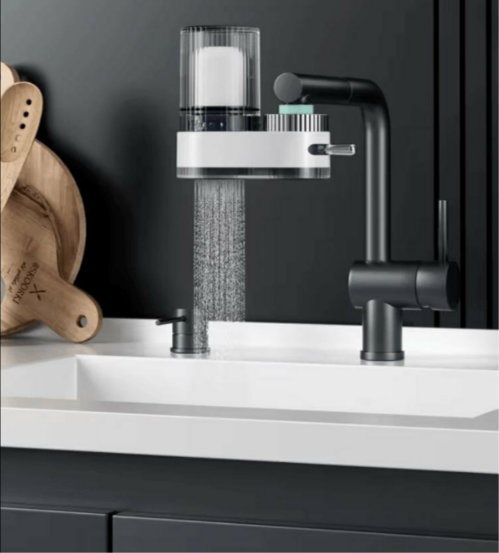
I often advise new brand partners, especially those in markets like France where kitchen space is a premium, to focus on convenience and design. A bulky system won’t work. The faucet water purifier is the ideal entry point. It directly addresses key consumer needs: it avoids the waste of bottled water, fits into compact urban kitchens, and offers immediate filtered water. From a brand perspective, like Layla’s luxury lifestyle company, the product itself becomes a statement piece. It’s not just a filter; it’s a kitchen upgrade. We’ve found that offering customization in finish and packaging is key. This allows a brand to create a product that feels exclusive and aligns with their aesthetic, turning a practical item into a desirable lifestyle accessory.
| Filter Type | Best For | Installation | Key Benefit |
|---|---|---|---|
| Water Pitcher | Individuals, small tasks | None | Low cost, portable |
| Faucet-Mounted | Daily cooking, drinking | Easy, no tools | Convenient, on-demand |
| Under-Sink | High-volume use | Professional needed | High capacity, hidden |
What are the benefits of using filtered water in cooking?
You strive for perfection in your cooking. But invisible impurities in your tap water might be holding you back. Imagine unlocking a new level of flavor you didn’t know was possible.
The benefits are significant. Filtered water enhances food’s natural taste by removing chlorine and sediment. It leads to clearer broths, brighter-looking vegetables, and better-tasting coffee and tea. It also reduces your exposure to potential contaminants, making your meals genuinely healthier for your family.
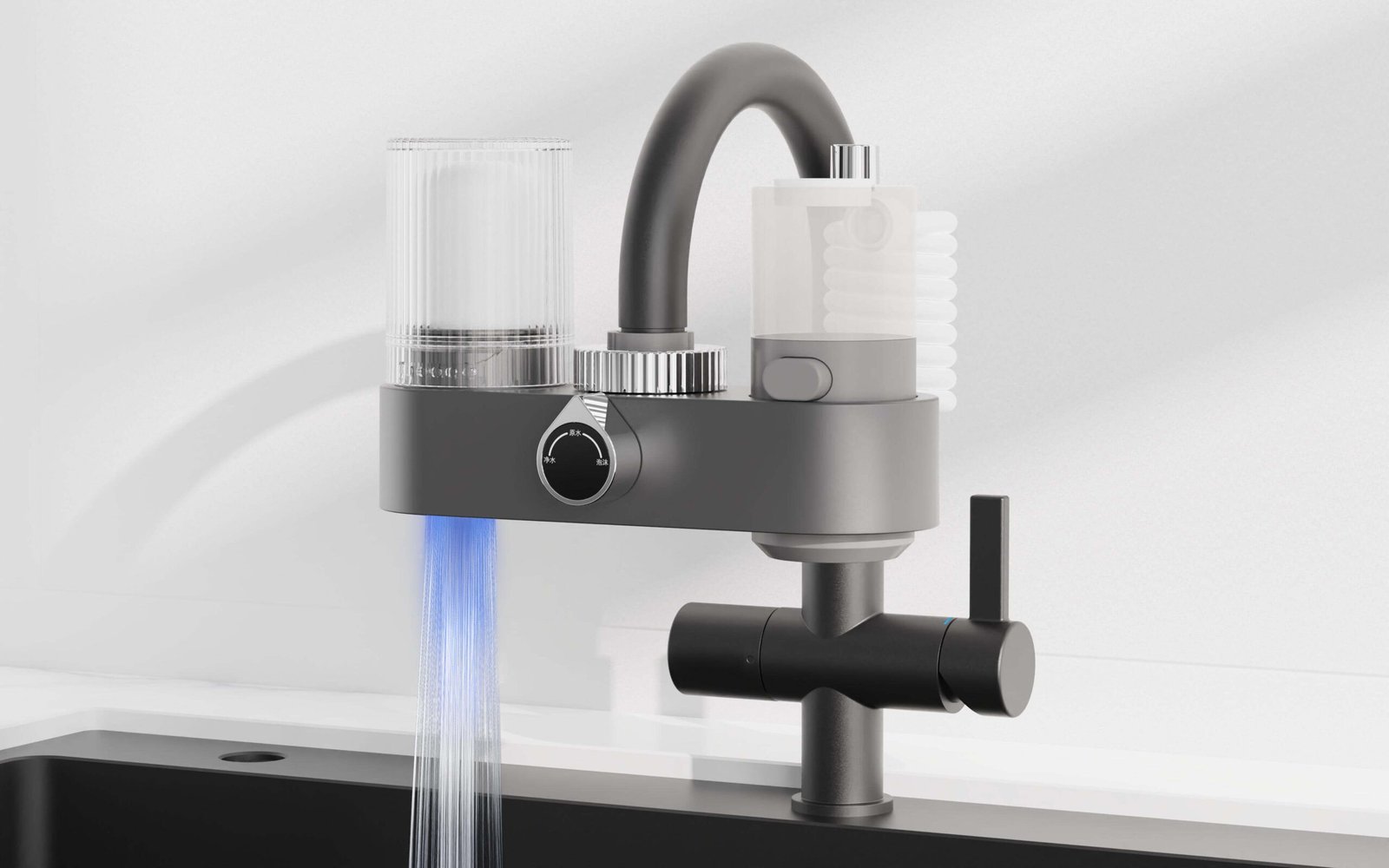
The concept of "beauty water" that a luxury brand might explore can extend right into the kitchen. The benefits go beyond just taste. Think about presentation. When I cook pasta or rice with filtered water, the result is cleaner, without the slightly cloudy residue tap water can leave. Steamed vegetables retain more of their vibrant color because they aren’t absorbing chlorine. It’s about creating an experience of everyday luxury. For health-conscious consumers, this is a huge selling point. They are already buying organic produce and high-quality ingredients. Why compromise at the last step with tap water? This idea resonates strongly in markets where consumers view wellness as a part of their identity. The message isn’t just "clean water." It’s "refined living." It’s about taking a simple daily act and elevating it.
Three Core Cooking Benefits
- Enhanced Flavor: Let your ingredients speak for themselves without chemical interference.
- Improved Appearance: Cook up brighter, more appealing dishes with clearer water.
- Better Health: Remove unwanted contaminants from every meal you prepare.
Why use filtered water instead of tap water?
Is tap water really that bad for cooking? Many people use it without a second thought. But what you can’t see or taste can still impact your food and your health.
Use filtered water because it provides purity and consistency that tap water cannot guarantee. Tap water contains disinfectants like chlorine that alter taste and interact with ingredients. Filtered water removes these variables, giving you a clean slate for healthier, more flavorful, and more reliable cooking results.
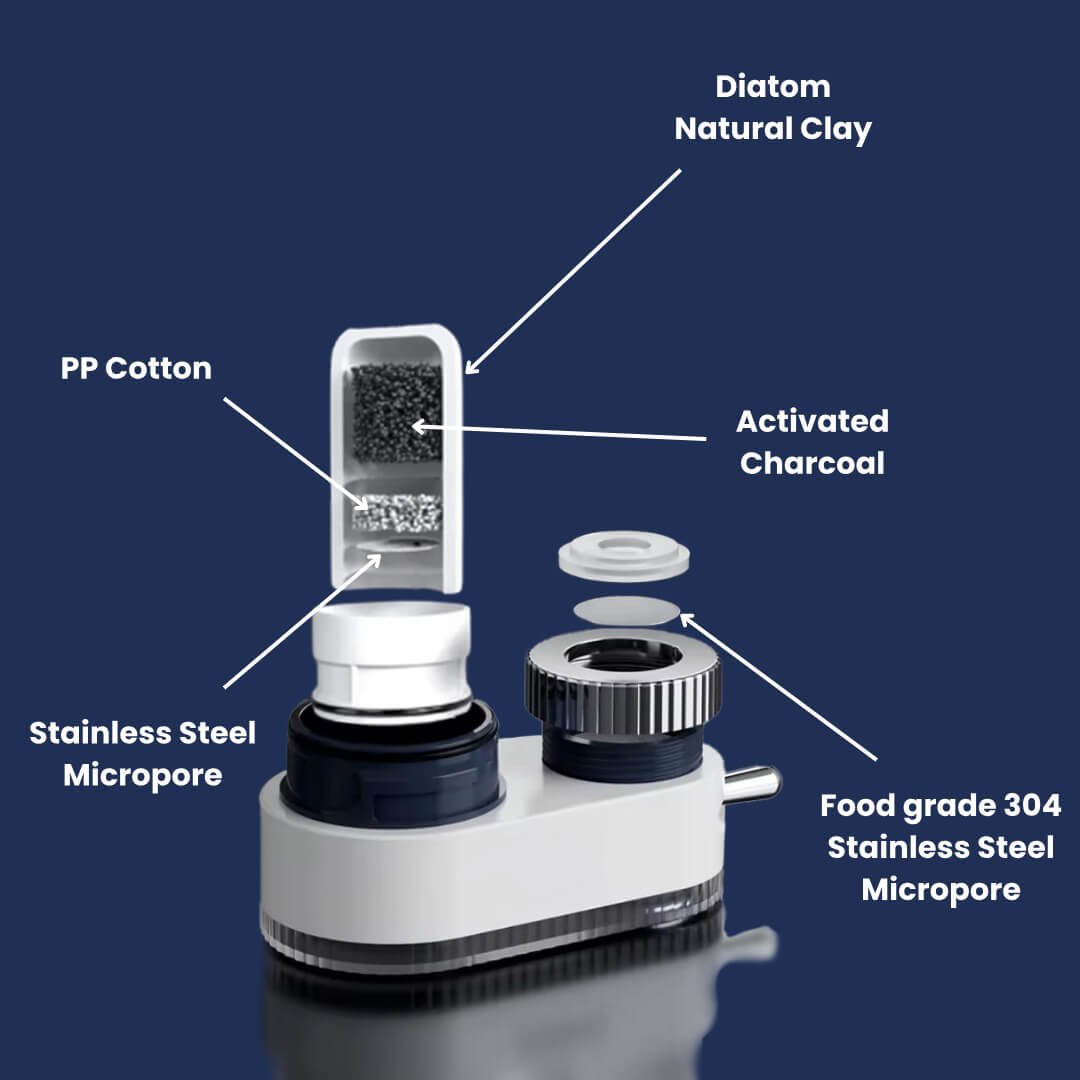
The conversation often comes down to tap water vs. bottled water. But for cooking, neither is ideal. As we see in France, many households rely on bottled water, creating significant plastic waste and inconvenience. This is a major pain point. A faucet purifier offers the perfect solution. It delivers water with the quality of bottled water, but without the environmental cost or the hassle of carrying heavy bottles. For brands entering this space, this is a powerful story. You can position the product as an eco-conscious, smart choice for the modern home. It’s a move away from dependency on bottled water towards a more sustainable, high-end lifestyle. This is the core message: it’s not just about filtering tap water; it’s about replacing an outdated, wasteful habit with an elegant, innovative solution.
| Feature | Tap Water | Filtered Water |
|---|---|---|
| Taste Profile | Varies, often with chlorine | Neutral, clean |
| Contaminants | May contain chlorine, metals | Contaminants significantly reduced |
| Cooking Impact | Can dull flavors, discolor food | Enhances natural flavors, brightens food |
| Consistency | Varies by location/day | Consistent and reliable |
Conclusion
Switching to filtered water for cooking is a simple upgrade. It enhances flavor, improves health, and supports a modern, sustainable lifestyle, elevating every dish you create in your kitchen.