
A vitamin C shower filter is a shower filter whose cartridge contains vitamin C, usually ascorbic acid or sodium ascorbate. As shower water flows through the cartridge, the vitamin C reacts with chlorine and neutralizes it. That is its main job. It is not a water softener, and it is not designed to remove scale-forming minerals. Whether it handles chloramine as well depends on the cartridge and needs its own test data.
The filter fits between the shower arm and the showerhead, sits inside a hand-held shower handle, or is built into a filtered showerhead. Many cartridges combine vitamin C with other media such as KDF-type copper-zinc, calcium sulfite or carbon fiber.
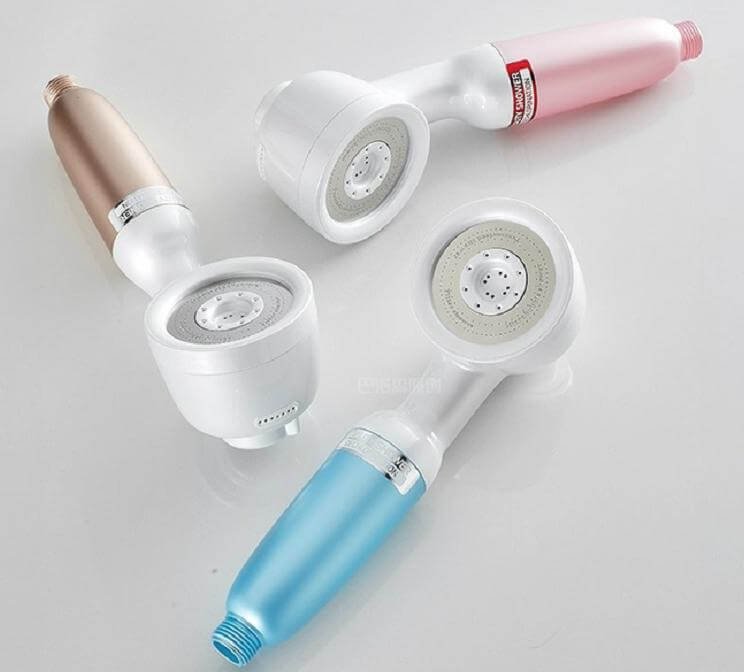
How a vitamin C shower filter works
Vitamin C is a reducing agent. When it meets chlorine in water, it reacts quickly and converts the chlorine into chloride. A U.S. Forest Service technical note on vitamin C dechlorination describes this reaction for water-system operators. Its key points:
- Both forms of vitamin C, ascorbic acid and sodium ascorbate, neutralize chlorine, and the reaction is very fast.
- About 2.5 parts of ascorbic acid neutralize 1 part chlorine. For sodium ascorbate the figure is about 2.8 parts.
- Ascorbic acid is mildly acidic. Sodium ascorbate is pH neutral.
- Dry vitamin C is stable, but once dissolved in water it degrades within a day or two.
That last point explains how vitamin C shower cartridges are built. The vitamin C is held in a solid or slow-dissolving form, so a small amount meets the water on each pass. It also explains why the cartridge is used up over time and has to be replaced.
Ascorbic acid shower filter vs sodium ascorbate
“Ascorbic acid shower filter” and “vitamin C shower filter” usually mean the same product. The label tells you which form of vitamin C the cartridge uses.
| Form | Reaction with chlorine | Effect on pH | Amount needed per part of chlorine |
|---|---|---|---|
| Ascorbic acid | Neutralizes chlorine quickly | Mildly acidic; may lower pH slightly in low-alkalinity water | About 2.5 parts |
| Sodium ascorbate | Neutralizes chlorine quickly | pH neutral | About 2.8 parts |
Source: U.S. Forest Service, Using Vitamin C To Neutralize Chlorine in Water Systems (2005). The figures are for chemical dechlorination, not test results for any finished shower filter.
Does a vitamin C shower filter remove chlorine and chloramine?
Chlorine: yes, the chemistry is well established. How much chlorine a finished filter removes depends on how much vitamin C the cartridge holds, the flow rate, the water temperature and how long the cartridge has been in use. Ask for a test result for the exact cartridge rather than relying on the ingredient name.
Chloramine: many U.S. utilities use chloramine instead of free chlorine. The U.S. EPA explains that chloramines are formed by adding ammonia to chlorine and last longer in the pipes. Vitamin C is widely described as reacting with chloramine as well. However, we have not found a public government test of vitamin C shower filters on chloramine at normal shower flow. If your water is chloraminated, ask for test data that names chloramine and the specific cartridge. A free-chlorine result does not cover it.
Certification works the same way. NSF/ANSI 177 covers free available chlorine reduction in shower filters. It does not cover chloramine, hardness or heavy metals. For a closer look at the two disinfectants, see the vitamin C shower filter chlorine and chloramine guide.
What a vitamin C shower filter does not remove
| Water concern | Does vitamin C address it? | What to look at instead |
|---|---|---|
| Hardness and white scale | No. Hardness comes from dissolved calcium and magnesium (USGS). | A treatment designed for hardness. See what a hard water shower filter can and cannot do. |
| Sand, rust and visible particles | No. Vitamin C is a chemical medium, not a screen. | A cartridge with a sediment layer such as PP cotton. |
| Heavy metals | Not shown by vitamin C itself. | Test data for the specific cartridge and metal named in the claim. |
| Bacteria | No. | A shower filter is not a disinfection device. |
Claims about softer hair or clearer skin depend on many factors besides the filter, including soap, humidity and water hardness. They should not be treated as guaranteed results.
Vitamin C vs KDF shower filter
KDF is a copper-zinc medium also used for chlorine reduction in shower filters. The two are often combined in one cartridge, but they behave differently.
| Vitamin C (ascorbic acid / sodium ascorbate) | KDF (copper-zinc) | |
|---|---|---|
| How it works | Chemical reduction: reacts with chlorine and is gradually used up | Redox reaction on the surface of copper-zinc granules |
| Typical form | Sticks, tablets or granules inside a cartridge | Granules, often layered with other media |
| Where it is common | Hand-held and beauty-focused shower filters, often with scent and colored cartridges | Inline and showerhead filters sold through hardware and filter channels |
| Hardness | Does not soften water | Does not soften water |
For a full comparison by sales channel and cartridge design, read KDF vs vitamin C shower filter. For more on the copper-zinc medium itself, see what a KDF filter is.
Mixed cartridges are common. In Jinko’s JK-S4, JK-S5 and JK-S6 filters, for example, the standard cartridge combines carbon fiber, KDF-type copper-zinc, calcium sulfite and vitamin C.
Types of vitamin C shower filters
- Inline filters fit between the shower arm and your existing showerhead. See the inline shower filter guide.
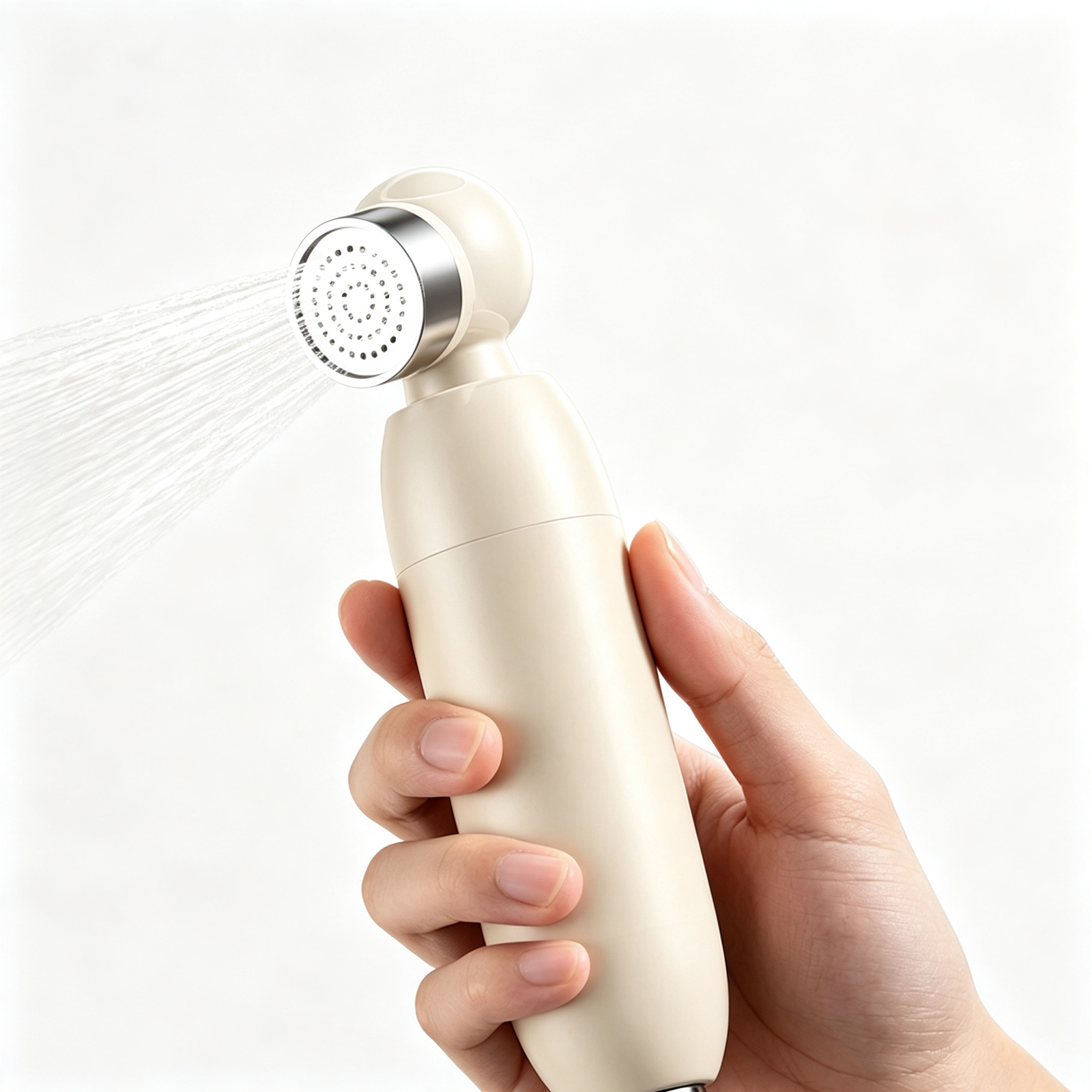
- Hand-held filters hold the cartridge inside the handle. See Jinko’s hand-held shower filter range.
- Filtered showerheads place the cartridge behind the spray face.
Vitamin C shower filter FAQ
Do vitamin C shower filters work?
For chlorine, the chemistry works and is used by water-system operators. Whether a particular shower filter works well depends on its cartridge design and its test data at shower flow. For chloramine, ask for a chloramine-specific result.
Does a vitamin C shower filter soften water?
No. Hardness comes from calcium and magnesium, and vitamin C does not remove them.
How long does a vitamin C shower filter cartridge last?
It depends on the cartridge and how much water passes through it. Use the maker’s rating for your cartridge. Jinko recommends replacing its shower filter cartridges every 3 to 6 months. The shower filter replacement guide shows how to work out your own date.
Does a vitamin C shower filter work with hot water?
Check the temperature range for your model. Jinko’s shower filters are rated for water from 5 to 55°C (41 to 131°F).
Why do some vitamin C shower filters smell of fruit or flowers?
The scent comes from fragrance added to the cartridge, not from the vitamin C. Scent is a product choice and does not change how the vitamin C reacts with chlorine. See how scented shower filter cartridges are made.
For brands planning a vitamin C shower filter
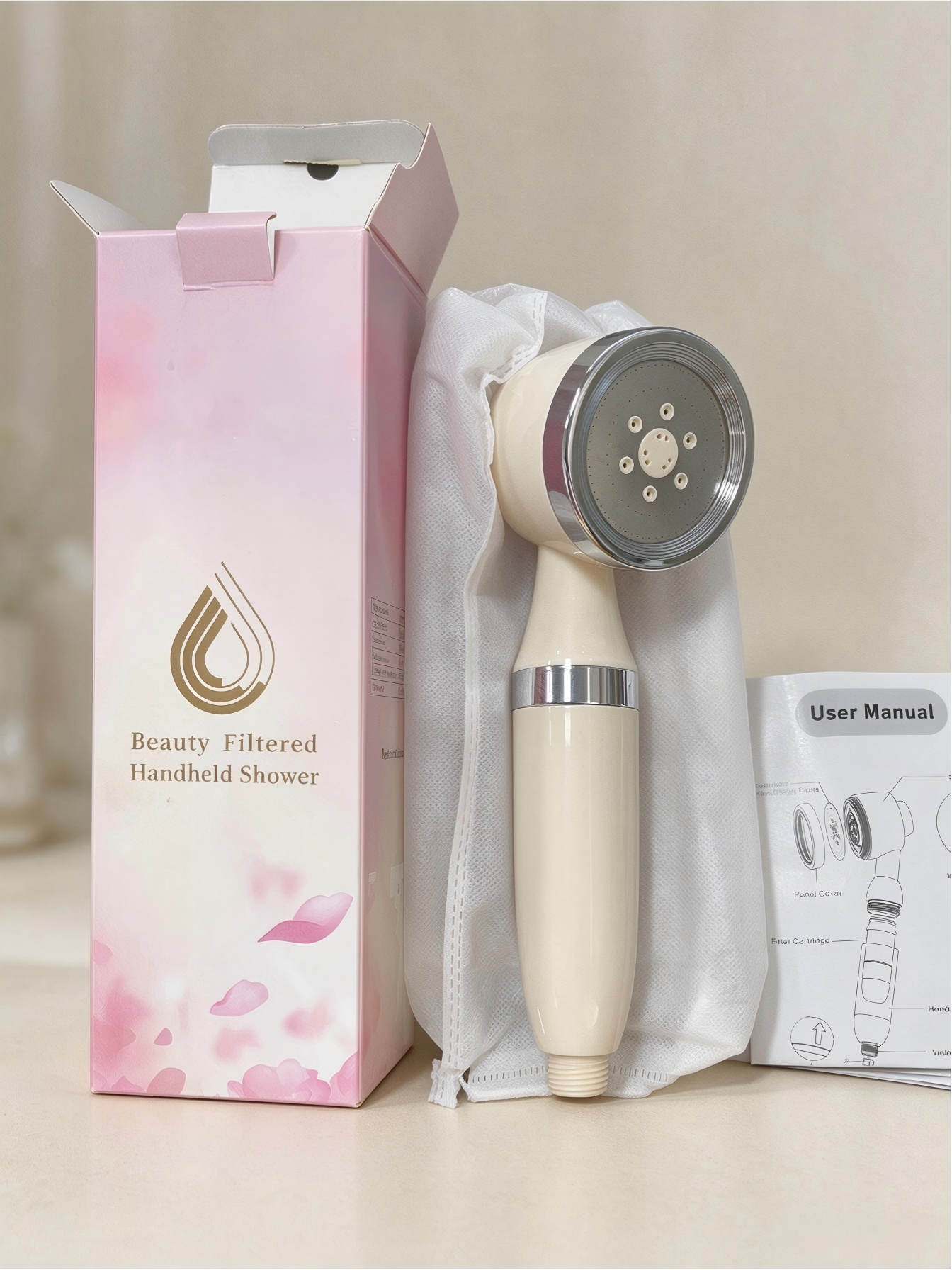
If you are developing a vitamin C shower filter under your own brand, keep the performance claims on your box tied to test data for the finished cartridge. Write “chlorine” only if chlorine was tested, and write “chloramine” only if chloramine was tested. Jinko’s vitamin C shower filter OEM and private label program covers models, cartridge options, scent and packaging. To discuss a project, send us your target market, quantity and customization needs.